Last updated: August 21, 2026
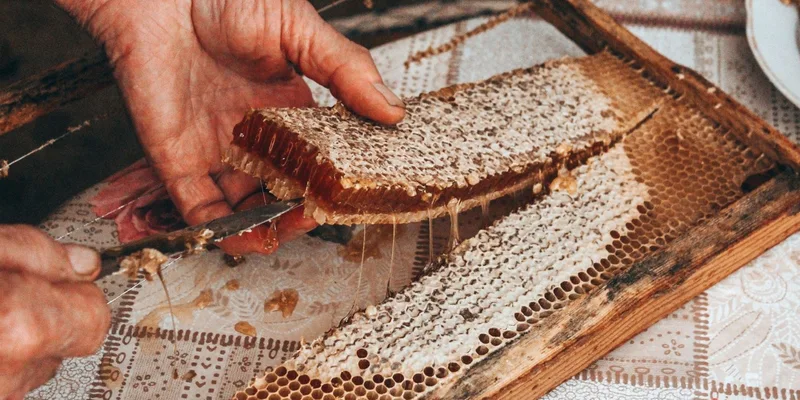
Uncapping is the part of harvest day that decides how long the whole thing takes. The extractor spins at its own pace no matter what you do, but the bench is entirely on you, and a poor tool turns a tidy slice into a gouged, dripping mess that costs you comb and leaves half the cells still sealed. Beekeepers who dread harvest are usually describing the uncapping, not the spinning.
There are three broad ways to open cappings: a heated blade, a steam heated blade, and a plain cold knife used with hot water and technique. Each one behaves differently on uneven comb, and each one has a failure mode worth knowing before you buy. This guide covers what separates them, plus the forks and rollers that handle the parts a blade cannot reach.
This article contains affiliate links. If you buy through them, we may earn a commission at no extra cost to you. Learn more.
Quick Answer
Which uncapping knife should a backyard beekeeper buy?
- An electric knife with a temperature controller is the easiest tool to get a clean cut with, and the one most keepers settle on after a season or two.
- A cold serrated knife works fine for a couple of hives if you keep a pot of hot water on the bench and wipe the blade between passes.
- Whatever the blade, you still need a capping fork or roller for the low spots a straight edge skips over.
- Too hot is a real problem: an overheated blade scorches honey and darkens flavor, which is why a controller beats a preset element.
Bottom line: heat makes the cut easy, control over that heat is what keeps the honey tasting like honey.
What Uncapping Is Actually For
Bees seal ripened honey behind a thin wax capping. That seal has to come off before the extractor can throw the honey out, and it has to come off across the whole face of the frame, because any cell left capped stays full through every spin. Uncapping is simply removing that layer with as little damage to the comb underneath as possible.
The comb matters because drawn comb goes straight back on the hive. A blade that shaves the caps takes almost nothing; a blade that plows takes a quarter inch of cell wall with it and gives the colony rebuilding work it did not need. That difference is entirely down to heat, sharpness and angle.
Heated, Steam or Cold Blade
A heated electric knife carries its own element in the blade, so wax parts ahead of the edge and you glide rather than saw. A steam knife runs hot water or steam through a hollow blade from a small boiler, which gives even heat without a cord to a wall outlet. A cold knife has no heat source and relies on serrations, a sharp edge and hot water on the bench.
For a backyard apiary, electric is the practical default and cold is the honest budget answer. Steam sits mostly in club sheds and small commercial rooms, because the boiler and the hoses are more setup than a few supers justify.
Why Temperature Control Matters
An uncapping blade that runs too hot does two things you do not want. It scorches the honey it touches, which darkens color and changes flavor at the edges of the cut, and it liquefies wax into a runny mess that spreads instead of lifting away in a sheet.
Knives with a separate controller let you dial the heat back until the blade parts wax without smoking. Knives with a fixed preset element are simpler and cheaper, and they work, but you are trusting the factory setting to suit your comb and your room temperature.
Blade Length, Shape and Serration
The blade needs to be longer than the frame is deep, so you can cut in one continuous pass with the frame resting on a support. A blade that is too short forces two overlapping cuts and leaves a ridge in the middle of the comb, which is exactly where cappings tend to be thickest.
Serrated edges saw through wax nicely on a cold knife and are the standard shape there. On a heated knife the serration matters less, because the heat does the parting, and a smoother edge leaves a cleaner face. Food grade stainless is the norm on both, and the listing should say so rather than describing the shine.
Handles, Cords and Where the Heat Sits
Check that the handle stays cool and that the cord exits somewhere that will not drag through the cappings tray. It sounds trivial until you are working one handed over a bin with sticky fingers, trying to keep a warm cord out of the wax.
Some knives heat the whole blade including the area right up against the handle, and some leave a cold section near the bolster. The cold section is a nuisance on deep frames, because that is the part of the blade doing the work at the start of the stroke.
Uncapping Tools by Situation
The Default for Two Hives and Up
An electric knife with a controller unit and a food grade stainless blade covers almost every backyard harvest. Set it low, let it come up to temperature, and cut with the frame tilted so cappings fall away from the face. Look for a blade longer than your deepest frame.

Working Without Power at the Bench
A cold serrated knife plus a pot of hot water is the traditional method and still a perfectly good one for a small harvest. Keep two knives in the water so one is always warm, wipe before each pass, and accept that the cut takes more attention than a heated blade does.

The Low Spots a Blade Cannot Reach
No comb is perfectly flat. A capping fork lifts the seal off cells that sit below the plane of the blade, and it is the tool that actually finishes the frame. Buy one even if you buy nothing else on this page.

Fast, Rough and Effective on Uneven Comb
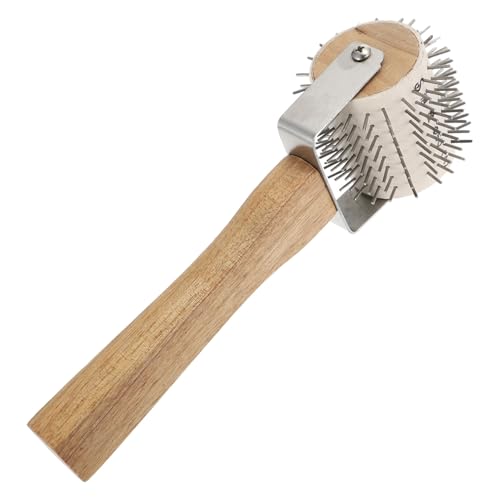
An uncapping roller punches through the cappings with a drum of needles rather than slicing them off. It leaves the wax in place, which means less to strain later but also more comb repair for the bees, and it handles wavy comb faster than any blade.
Comparing the Three Approaches
| Tool | Heat source | Cut quality on flat comb | Suits |
|---|---|---|---|
| Electric knife | Element in the blade | Clean, thin shave | Most backyard apiaries |
| Steam knife | Small boiler and hoses | Clean and very even | Club sheds, shared setups |
| Cold serrated knife | Pot of hot water | Good with technique | One or two hives, no outlet |
| Fork or roller | None | Rough by design | Low spots and wavy comb |
Technique That Saves Comb
Rest the bottom bar of the frame on a support inside a tray so the frame stands at a slight angle away from you, then cut downward with a sawing motion light enough that the blade rides on the wood rails at each end. Those rails are your depth guide, and using them is the difference between shaving caps and carving comb.
Work from the bottom up so the sheet of cappings peels away and drops rather than folding back onto the face you just opened. Wipe or rinse the blade whenever wax builds up, because a loaded blade drags and tears instead of parting.
What to Do With the Cappings
Cappings are wax with a lot of honey still clinging to them, and they belong in a tray or tank that lets that honey drain rather than in a bucket where it sits. Once drained, the wax rinses and renders into something worth keeping. Our uncapping tank guide covers the catching side, and rendering beeswax covers what happens next.
Do not leave a tray of cappings outdoors near the hives. It starts a robbing frenzy, gets your neighbors involved in your hobby in a way nobody enjoys, and teaches your colonies to investigate every open container in the yard.
Frequently Asked Questions
Can I use a regular kitchen knife? A long serrated bread knife kept in hot water works for a frame or two and is how plenty of people got through a first harvest. It is slower and less precise than a dedicated blade, but it is not a bad emergency answer.
How hot should an uncapping knife be? Hot enough to part wax without smoking, and no hotter. Scorched honey darkens and takes on a cooked taste, which is why a knife with an adjustable controller is easier to live with than a fixed preset element.
Do I need a fork if I have an electric knife? Yes. Comb is never flat enough for a straight blade to reach every cell, and a fork costs almost nothing next to the frames of honey it frees up.
Is a roller better than a knife? It is faster on uneven comb and it leaves the wax in place, which means less to strain and less comb for the bees to rebuild. It also leaves a rougher face, so most keepers use both.
How do I clean an electric uncapping knife? Unplug it, let it cool, and wipe the wax off with a cloth or paper towel rather than submerging the handle or the controller. Warm water on the blade alone is fine, water in the electrics is not.
The Bottom Line
For most backyard beekeepers the answer is a temperature controlled electric knife with a blade longer than the deepest frame you run, plus a capping fork for the low spots. A cold serrated blade and a pot of hot water remains a legitimate route if your harvest is small or your bench has no outlet. Whichever you choose, set up the catching side first: our uncapping tank guide covers where the cappings go, and the extractor guide covers what happens to the frames afterward.