
Last updated: August 21, 2026
Feeding a colony in August is a decision with consequences for the whole yard. Put syrup anywhere a robbing bee can smell it and you may spend the afternoon watching a weak hive get torn apart by its neighbors. That is the argument for the frame feeder in one sentence: the syrup goes inside the brood box, and nothing outside the hive knows it is there.
A frame feeder, also called a division board feeder, is a reservoir shaped like a frame that hangs in the brood chamber in place of one. It is quiet, it is invisible from the entrance, and it has exactly two weaknesses: it takes up comb space and it drowns bees if the internal ladder is poor. Both are worth understanding before you buy.
This article contains affiliate links. If you buy through them, we may earn a commission at no extra cost to you. Learn more.
Quick Answer
When is a frame feeder the right choice?
- When robbing is a real risk, because the syrup is completely hidden inside the brood box.
- When you want the bees to reach feed without leaving the cluster area, which matters in cool spring weather.
- Not when you need to refill without disturbing the colony, since you have to open the box every time.
- Look for a rough internal ladder, a mesh insert or a cap. Smooth-walled feeders drown bees steadily.
Bottom line: a frame feeder trades one frame of comb space and easy refilling for the quietest, most robbing-resistant way to get syrup into a hive.
What a Frame Feeder Is
Picture a hollow plastic or wooden frame with an open top. It hangs on the rests inside the brood box exactly like a regular frame, usually in the outermost position, and holds syrup in the cavity. Bees reach it by walking across the top bars or up an internal ladder, drink, and go back to the comb without ever leaving the hive.
The name division board feeder comes from the older practice of using a solid board to divide a hive; the feeder simply took that slot over. You will see both terms used for the same product, and sizing follows frame depth rather than any separate standard.
The Robbing Argument
Robbing is triggered by the scent of an easy sugar source and by weak defenses at the entrance. An entrance feeder puts syrup right where scouting robbers look; a top feeder keeps it inside but can leak; a frame feeder puts it in the middle of the brood chamber where the smell has to pass the guard bees to get out.
That makes the frame feeder the default choice for feeding a weak colony or a late-season nuc while stronger hives sit a few feet away. Pair it with a reduced entrance and, in a yard that has already had trouble, a robbing screen, and you have removed most of the invitation.
Why Bees Drown in Frame Feeders, and What Stops It
A frame feeder is a deep, smooth-walled tank of liquid. Bees crowd the edge, some fall in, and a wet bee on a slick plastic wall cannot climb out. Cheap feeders with nothing inside are notorious for this, and the evidence turns up as a floating layer the next time you open the hive.
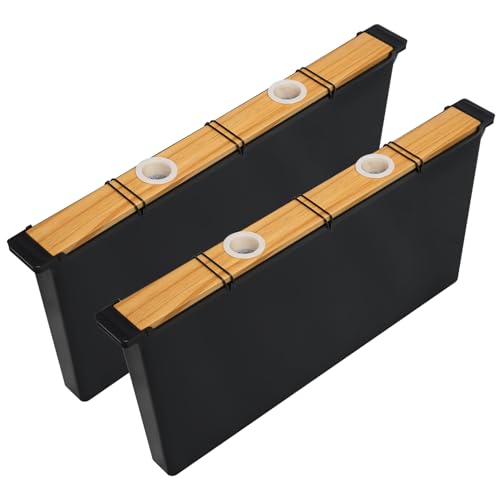
Good designs solve it with a textured internal ladder molded into the wall, a plastic mesh insert that fills the cavity, or a floating cap the bees stand on. A mesh insert is the most reliable of the three because there is no open surface left for a bee to fall onto at all.
Best for Cutting Losses in a Feeder You Already Own
A mesh ladder insert sized to a standard frame feeder turns an open tank into something bees can climb out of.
Depth and Fit
Frame feeders come in the same depths as frames: deep for a standard brood box, medium for keepers running all mediums. A deep feeder in a medium box will not fit, and a medium feeder in a deep box hangs short and leaves a gap the bees will fill with burr comb.
Some feeders take up the width of one frame, others of two, which changes both capacity and how much comb space you give up. If you are feeding a nuc, a narrower feeder or a purpose sized nuc feeder leaves the little colony more room to build.
Best for a Standard Deep Brood Box
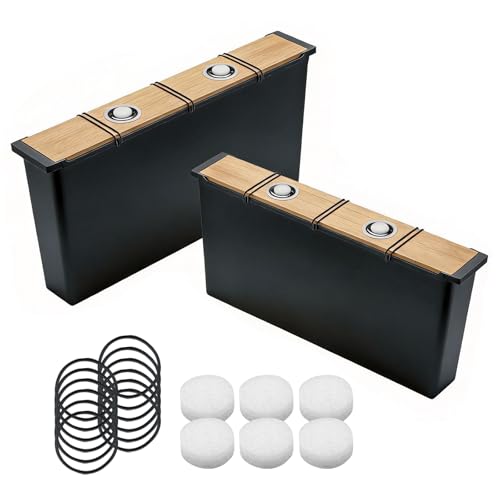
A deep division board feeder with a built-in ladder is the workhorse version, sized to replace one frame in a ten frame brood chamber.

Best for a Five Frame Nuc
A nuc has little room to spare, so a feeder sized for a five frame box keeps the ratio of comb to syrup sensible while the colony builds.
What It Costs You in Comb Space
Every frame feeder occupies space the colony could be using for brood or stores. In a ten frame box that is a tenth of the brood chamber, and in a nuc it is a fifth. For a colony in the middle of drawing foundation, that is a real trade, and it is the main reason keepers switch to a top feeder during heavy spring buildup.
The usual compromise is to run the frame feeder in the outside position, where the colony would be slowest to build anyway, and to pull it once the feeding period ends so the box goes back to a full complement of frames.
Frame Feeder Against the Alternatives
The table compares the frame feeder with the three other common options on the points that decide the purchase.
| Feeder | Robbing risk | Refilling | Space cost |
|---|---|---|---|
| Frame feeder | Lowest, fully inside the brood box | Open the hive every time | One or two frames of comb |
| Hive top feeder | Low, but leaks are possible | Lift the outer cover only | None inside the brood box |
| Entrance feeder | Highest, syrup sits at the door | Swap the jar from outside | None |
| Pail feeder | Low with a shim or empty box over it | Lift the cover, swap the pail | Needs a spare box or shim |
Filling and Refilling Without a Mess
Fill a frame feeder in place with a jug or a funnel, slowly, and stop before the syrup reaches the very top so the ladder or cap still stands proud. Spilling syrup down the outside of the box on a hot August afternoon is the fastest way to undo the whole robbing advantage you bought the feeder for.
A light puff of smoke and a slow lift of the cover keeps the bees off the feeder edge while you pour. If you find yourself refilling every couple of days, that is a signal to move to a higher capacity option such as a top feeder for the heavy part of the season.
Cleaning, Mold and Fermentation
Syrup left in a warm hive for weeks ferments, and fermented syrup gets refused and grows a film. Frame feeders are awkward to clean because of their depth and their internal ladders, so most keepers pull them at the end of a feeding period rather than leaving them in place all season.
Warm water and a long brush handle normal residue. Skip strong detergents, which linger in plastic, and let the feeder dry completely before storing it, because a damp feeder in a shed develops exactly the film you were trying to remove.
Frequently Asked Questions
What is a division board feeder? Another name for a frame feeder. It is a hollow reservoir the shape of a frame that hangs inside the brood box in place of one, holding syrup where only the colony can reach it.
Do frame feeders drown bees? Smooth-walled ones do. Look for a molded internal ladder, a mesh insert or a floating cap. A mesh insert is the most effective because it leaves no open surface for a bee to land on.
How many frames does a frame feeder replace? Usually one, though some wider models take the space of two. In a ten frame brood box that means running nine frames plus the feeder while it is in place.
Is a frame feeder better than an entrance feeder? For robbing resistance, clearly yes, because the syrup never reaches the outside of the hive. For convenience, no, since refilling means opening the brood box each time.
Can I use a frame feeder in winter? No. Bees cannot break cluster to reach a feeder at the side of the box in cold weather, and syrup cannot be cured anyway. Winter feed goes as solid sugar directly above the cluster.
Where in the box should the feeder hang? Most keepers hang it in the outermost position, where the colony builds last, so the brood nest keeps the central frames. Keep it against a wall rather than in the middle of the brood area.
The Bottom Line
A frame feeder is the quietest way to feed a colony, because the syrup stays inside the brood box where robbers cannot smell it. Buy one with a real ladder, cap or mesh insert, match it to your frame depth, hang it in the outside position, and pull it when the feeding period ends. Read next: our comparison of all four feeder designs, and the top feeder guide for the higher capacity alternative.