Last updated: August 21, 2026
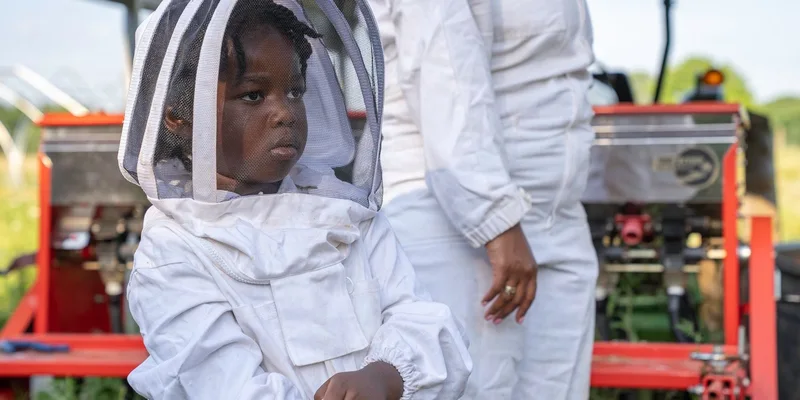
A child who wants to help at the hives is the best possible reason to buy a second suit, and also the easiest purchase to get wrong. Adult small is not child large. A suit that swims on a nine year old catches on the hive stand, drags in the grass, and leaves cuffs wide enough for a bee to walk into, which turns a first visit to the apiary into the story they tell for years for the wrong reason.
Kids bee suits are sized on height rather than on age or clothing size, and that single fact solves most of the problem. This guide covers how child sizing works, what to look for in a veil that a child can see out of, how to handle a growing kid without buying a suit every spring, and the honest conversation about stings that needs to happen before anyone gets dressed.
This article contains affiliate links. If you buy through them, we may earn a commission at no extra cost to you. Learn more.
Quick Answer
How do you pick a kids bee suit?
- Measure the child’s height. Youth beekeeping suits are sold in height bands, not by age or shirt size.
- Buy to current height, not to next spring. A suit that swims snags on equipment and leaves gaps at the wrists and ankles.
- Look for a self supporting veil hood, elastic at wrists and ankles, and a full length zipper a child can work alone.
- A full suit rather than a jacket, always. Children crouch, kneel, and stand closer to the entrance than adults do.
Bottom line: height band, self supporting veil, full coverage, and a calm first visit with a calm colony.
How Kids Bee Suit Sizing Works
Youth beekeeping suits are sold in height ranges. Luwint, one of the widely available kids suit makers, lists its sizes in bands such as roughly three feet eleven to four feet two, and four feet two to four feet seven, and other brands follow the same pattern. Age and clothing size do not appear on these charts for good reason.
Measure your child against a wall in the shoes they will wear to the apiary, and match the number to the band. If they sit between two bands, take the smaller one unless the smaller suit already looks close, because excess length at the ankle is the thing that actually causes trips and snags.
Resist Buying to Grow Into
The instinct that works for a winter coat works badly here. A suit two bands too large has cuffs that will not seal, legs that pool over the boot, and a hood that shifts when the child turns their head. Kids suits are not so costly that a season of proper fit is unreasonable, and the outgrown one passes to the next sibling or to a bee club.
What to Look For in a Child’s Suit
The veil matters more for a child than for an adult, because a hood that collapses toward the face is frightening in a way it simply is not once you are used to bees. Look for a self supporting or ventilated hood that holds its shape, and check that the child can look down at their own feet without the mesh touching their nose.
Beyond the veil, the checklist is short: elastic at wrists and ankles, a zipper that runs far enough for the child to get in and out without help, and light colored fabric. Cotton twill and cotton blends are the norm in kids suits, and ventilated mesh versions exist for families in hot climates.
Gloves and Boots for Small Hands and Feet
Most kids suits include a pair of gloves, and most of those gloves are the weakest part of the package. Child sized beekeeping gloves are genuinely hard to find in leather, so many families use the bundled pair for early visits and move to thin nitrile in a small size once the child is handling frames rather than watching.
Boots close the last gap. Whatever the child wears, the suit leg needs to go over the boot rather than into it, and a boot with a snug top is worth more than any glove upgrade. Our glove guide covers the cuff overlap rule that applies at any size.
Kids Suit Options by Situation
First Suit for a Child Who Wants to Watch and Help
A full body cotton blend suit in the correct height band with a self supporting veil hood and a bundled pair of gloves. This is the format nearly every kids suit uses, and it is the right starting point for a child joining you at the hives.

For a Hot Climate or a Long Afternoon
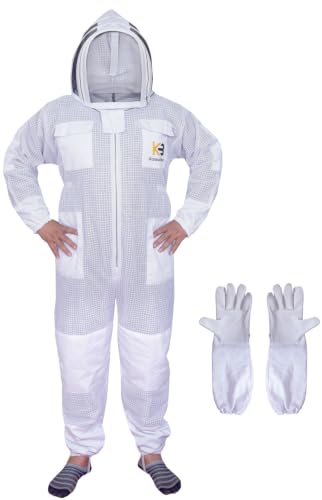
A ventilated child’s suit uses the same three layer mesh idea as the adult versions, which matters because children overheat faster and lose patience faster than adults do. Airflow keeps a first visit pleasant rather than something to endure.
For a Teenager Between Youth and Adult Sizes
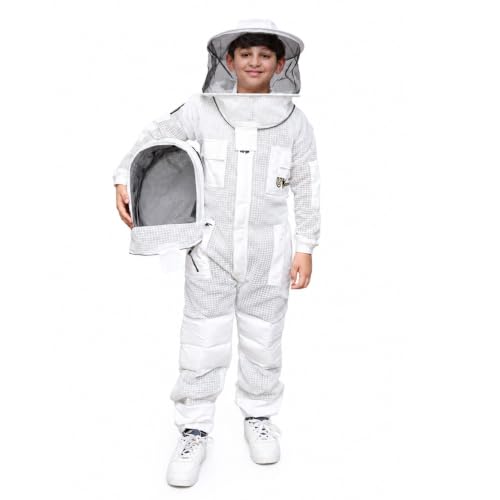
Teenagers frequently fall past the top of the youth height bands and below a comfortable adult small. Adult suits from brands with a very wide published size range solve that better than stretching a kids suit for another year.
Thin Gloves Once They Are Handling Frames
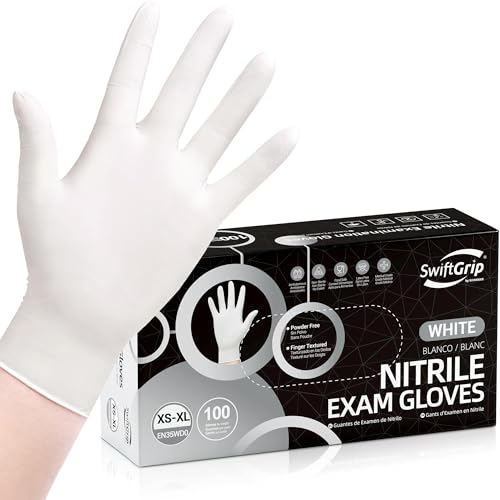
Small nitrile gloves give a child the feel to handle a frame gently, which is what keeps bees from being crushed and the colony from getting noisy. Use them only once the child is calm around an open hive.
Comparing Kids Suit Formats
| Format | Sized by | Veil style | Best suited to |
|---|---|---|---|
| Youth cotton blend suit | Height band | Self supporting hood | First visits, watching and helping |
| Youth ventilated suit | Height band | Fencing or round hood | Hot climates, longer sessions |
| Adult extra small suit | Chest and height | Fencing or round brim | Teenagers past the youth bands |
| Youth jacket | Height or chest | Attached hood | Standing observation only |
The Sting Conversation Before the First Visit
Have it before you get dressed, not at the hive. A child who knows that a sting hurts, swells, and then fades is far calmer than one who has been promised it will not happen. Suits are sting-resistant, not absolute, and pretending otherwise sets up a bad moment.
If your child has ever had a reaction that spread beyond the sting site, that is a conversation for their doctor before they go anywhere near an apiary, not a question to settle with equipment. Signs of a whole body reaction mean you call 911, not look it up. Our article on what a normal sting looks like covers the ordinary case.
Making the First Visit Go Well
Pick a calm, sunny afternoon with a colony you already know is easy going, keep the visit short, and give the child a job. Holding the smoker, carrying the hive tool, or spotting drones gives them a reason to stand still, and standing still is what keeps bees uninterested.
Stand them beside or behind the hive rather than in the flight path, which is where the traffic is heaviest and where a child’s height puts their face at exactly the wrong level. Then stop while it is still going well. A ten minute first visit that ends with enthusiasm beats an hour that ends in tears.
Frequently Asked Questions
What age can a child start helping with beehives? There is no fixed age, and it depends far more on whether the child can stand still and follow instructions than on birthdays. Families commonly start with short observation visits well before a child handles any frames.
What size bee suit does a child need? Whichever height band contains their measured height in shoes. Youth beekeeping suits are sold by height rather than by age or clothing size, so measure rather than estimate.
Can a child wear an adult small bee suit? A teenager past the youth height bands often can, and a younger child should not. Excess length pools at the ankles and leaves cuffs that will not seal, which are the two failures that actually let bees in.
Do kids bee suits come with gloves? Many do, and the bundled pair is usually the weakest item in the package. It works for early visits; families often move to small nitrile gloves once the child is handling frames.
Should a child wear a jacket instead of a full suit? A full suit. Children crouch, kneel, and stand closer to the hive entrance than adults do, and all three of those put their legs exactly where a jacket offers nothing.
What if my child has been stung before and reacted badly? That is a question for their doctor before any apiary visit. Equipment choice is not the answer to a reaction that spread beyond the sting site, and signs of a whole body reaction mean calling 911.
The Bottom Line
A kids bee suit is a height band purchase, and buying the current band rather than next year’s is what keeps cuffs sealed and legs out of the grass. Prioritize a veil hood that holds its shape, make sure the suit leg goes over the boot, and have the honest conversation about stings before you get dressed rather than at the hive. Then keep the first visit short and calm. Read our bee suit sizing guide for the adult version of the same problem, and the bee suit buying guide if you are outfitting yourself at the same time.