Last updated: August 21, 2026
Formic Pro turns up in almost every August conversation about mites, usually attached to two questions: can I leave the honey supers on, and is it too hot this week. Both of those questions have the same answer, and it is not one a website should give you. They are label questions, and the label that ships with the box you buy is the only version that counts.
What a guide can do is explain what kind of product this is, why backyard keepers reach for it when they do, and what tends to go wrong. Everything numerical, the dose, the temperature range, the number of days, and whether supers can stay on, comes from the EPA-registered label and from your extension service, not from us.
This article contains affiliate links. If you buy through them, we may earn a commission at no extra cost to you. Learn more.
Quick Answer
What is Formic Pro and when do backyard keepers use it?
- It is a formic acid strip product, EPA-registered, laid on the top bars of the brood nest.
- Formic acid is the one common active that reaches mites under the brood cappings, which is why keepers reach for it in late summer.
- It has a daytime temperature window and a set application period. Both are printed on the label, and the label is the only place to get them.
- Whether honey supers may stay on is a label question too, and it varies by product and situation. Getting it wrong can cost you the crop.
Bottom line: Formic Pro earns its place because it works inside capped brood, but every number that makes it safe lives on the label you get in the box.
What Formic Pro Actually Is
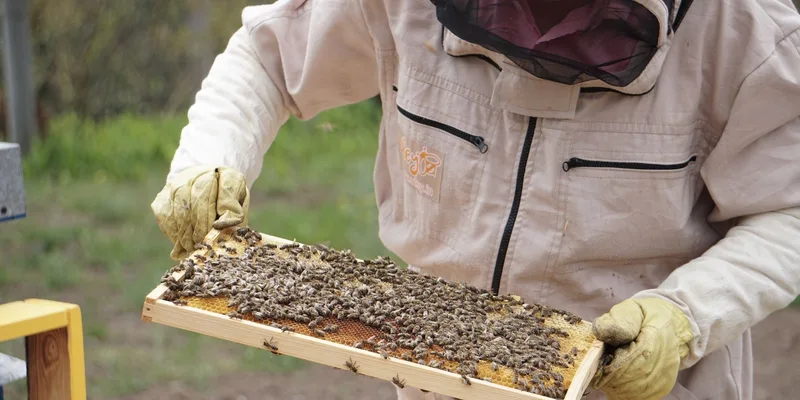
Formic Pro is a formic acid product supplied as gel strips that sit on the top bars of the brood chamber. Formic acid occurs naturally in honey in small amounts, and it is volatile, so the strips work by releasing vapor into the hive rather than by contact. It is EPA-registered and comes from NOD Apiary Products.
The reason it gets talked about differently from other options is the vapor. Because it moves through the colony as a gas, it reaches varroa mites that are sealed under the brood cappings, where a mite spends most of its reproductive life. Most other backyard-scale options only reach the mites riding on adult bees, which means they need a broodless window or repeated applications to catch up.
The Temperature Window Is a Label Question
Formic Pro has a daytime temperature range it must be applied within, and both ends of that range exist for a reason. Too cold and the acid does not volatilize enough to do anything useful. Too hot and it releases faster than intended, which is where the reports of queen loss and bearding bees come from. The exact range is on the label.
We will not print those figures, and you should be wary of any site that does, because the label is revised and because it differs between formic products. Read the label in the box, and if you want a second opinion on how it plays out in your climate, Penn State Extension and the University of Minnesota Bee Lab both publish varroa management material written for your region rather than for a marketing page.
What to Check Before You Open the Pouch
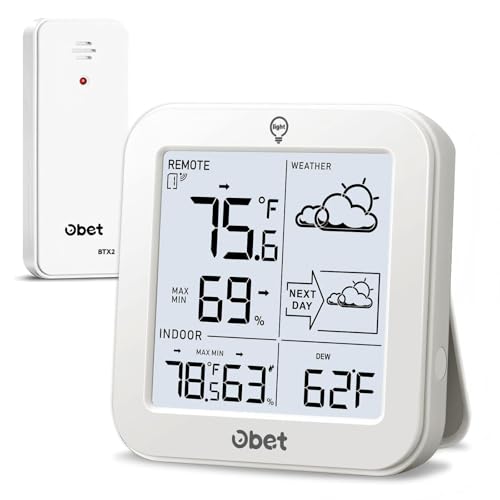
The practical version is simple: look at the forecast for the whole application period, not just the day you plan to put the strips in. A hive that sits in full afternoon sun behaves differently from one under a tree, and a shaded stand or a shim of extra ventilation changes what the colony experiences. An apiary thermometer that logs the high for the day is a small thing that turns this from guesswork into a reading.
Supers On or Supers Off
Whether honey supers can stay on the hive during a mite treatment is decided by the label of the specific product you bought, in the specific situation you are in. It is not a rule of thumb, it is not something to take from a forum thread, and it is not something we will fill in for you. Read that section of the label carefully before the strips go anywhere near the hive.
This matters more than most beginners realize, because a mistake here does not show up as a dead colony. It shows up in the honey you were planning to bottle and sell or give away, and there is no way to undo it after the fact. If you are timing a treatment against a harvest, our guide to treating mites with supers on walks through how to read that part of a label without guessing, and when to harvest honey covers the other half of the calendar.
Where It Fits in the Year
Most backyard keepers use a formic product as the post-harvest reset, after the supers come off in late summer, when the colony still has brood and the winter bees are about to be raised. The goal is to get the mite load down before those winter bees are produced, because a bee that develops alongside mites is a compromised bee going into the hardest six months.
Some keepers also use it in spring, before the flow builds. What matters more than the calendar month is what your mite count says. Treating on a schedule without counting is how people end up either treating a colony that did not need it or missing the one that did, so a wash or a roll before and after is part of the job. Our walkthrough of counting mites with an alcohol wash or sugar roll covers the method.
What Backyard Keepers Report
The two things owners bring up most are queen loss and short-term disruption. Some colonies supersede after a formic treatment, some throw a lot of bees out onto the front of the hive for a day or two, and some sail through with no visible reaction at all. The variables people point to are heat, hive ventilation, colony strength and how closely the label was followed.
The other recurring comment is about handling. Formic acid is unpleasant to work with, the fumes catch the back of your throat, and the label specifies the protective equipment to wear when you open and place the strips. Follow that section rather than improvising, and get the manufacturer’s own guidance for any respirator you buy.
Gear Worth Having Ready
Disposable gloves you can throw away afterward, a way to count mites before and after, and the strips themselves in a pack size that matches your hive count rather than a commercial yard.


How It Compares With the Alternatives
The honest comparison is not about which product is strongest, it is about which constraint you can live with in the week you need to act. Formic acid buys you capped-brood reach and pays for it with a weather window. The amitraz strips buy you a wide weather window and pay for it with a long residency in the hive.
| Option | Active type | Reaches capped brood | Main constraint |
|---|---|---|---|
| Formic Pro | Organic acid, vapor | Yes | Daytime temperature window on the label |
| Apivar | Synthetic, contact strips | No | Long residency, supers must be handled per label |
| Oxalic acid | Organic acid, contact | No | Best in a broodless period, operator safety gear |
| Mechanical methods | Drone trapping, brood break | Partly | Labor and timing, rarely enough on its own |
If you want that comparison in more depth, we set the two label styles side by side in Apivar or Formic Pro, and the full field is laid out in our overview of varroa mite treatment options.
Frequently Asked Questions
Can I use Formic Pro with honey supers on the hive? That is answered by the EPA-registered label for the product you bought, and it depends on the situation you are in. Read the label section on supers before you treat, and if anything is ambiguous, ask your state apiarist or extension service rather than a forum.
What temperature does Formic Pro need? There is a daytime temperature window and it is printed on the label. We do not publish the figures because labels are revised and because they differ between formic products. Check the forecast for the entire application period, not just the day you apply.
Does Formic Pro kill mites under the cappings? Formic acid is the common backyard option that penetrates capped brood cells, which is why it is used when the brood nest is still full. It reduces mite loads rather than clearing an infestation permanently, so counting before and after is still part of the job.
Will it kill my queen? Some colonies supersede after a formic treatment and some show no reaction at all. Heat, ventilation and colony strength are the factors keepers point to most. Following the label exactly is the main thing within your control.
How often can it be used in a season? The number of applications allowed per colony per year is set on the label. Beyond that, your mite counts should be driving the decision, not the calendar. Penn State Extension and the University of Minnesota Bee Lab both publish threshold guidance for hobby-scale apiaries.
The Bottom Line
Formic Pro is worth understanding because it does something the alternatives mostly cannot, which is reach mites inside sealed brood. That capability comes tied to a weather window and a set of handling requirements, and every figure that keeps it safe is on the EPA-registered label in the box rather than on any website. Count your mites first, read the label second, and check the forecast for the whole treatment period before you commit. For the wider picture, read our comparison of varroa mite treatment options and the label-by-label look at Apivar or Formic Pro.