Last updated: August 21, 2026
The Warre hive is the design people find when they have already decided a Langstroth looks like too much equipment. It is a tall stack of small square boxes with bars across the top instead of framed comb, a cloth and a box of wood shavings above the bees to handle moisture, and a gabled roof that makes it look like a garden feature rather than farm gear. Backyard keepers are drawn to it for exactly that reason, and then run into questions nobody warned them about.
This is a plain explanation of how a Warre hive works, where it genuinely earns its reputation, and the three practical problems that decide whether it suits you: inspection, harvest and where you buy parts. None of them are dealbreakers, but all of them are easier to think about before the bees arrive than after.
This article contains affiliate links. If you buy through them, we may earn a commission at no extra cost to you. Learn more.
Quick Answer
What is a Warre hive and who is it for?
- A vertical top bar hive: small square boxes stacked upward, top bars instead of frames, and a quilt box of wood shavings above the bees.
- New boxes go on the bottom, not the top, which imitates a colony building downward in a hollow tree.
- The bees build their own comb, so there is no foundation to buy and no extractor to own.
- Harvest is crush and strain by the box, and inspection is slower and clumsier than in a framed hive.
Bottom line: a Warre suits a hands-off keeper who wants comb honey and a quiet garden hive, not someone who wants easy inspections or a big harvest.
How a Warre Hive Is Built
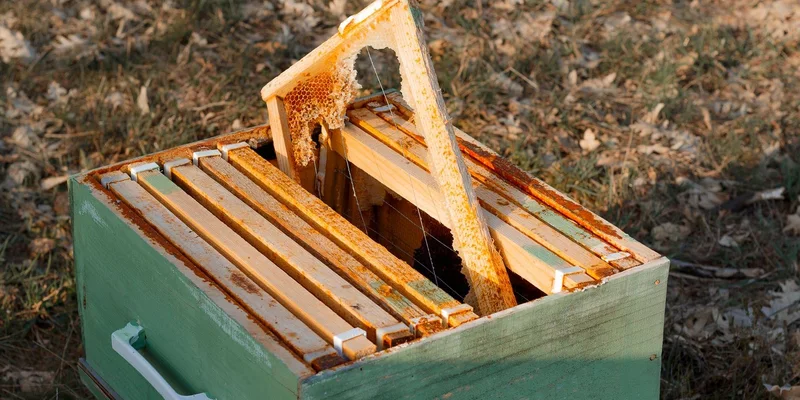
A Warre hive is a stack of identical square boxes, noticeably smaller in footprint than a Langstroth box and roughly the same depth as a medium super. Each box carries a row of top bars across it. The bees hang their own comb from those bars, so there is no foundation, no side bars and no bottom bar to assemble.
Above the top box sits a cloth, then a quilt box filled with wood shavings or a similar dry material, then a gabled roof with ventilation. That quilt is the part of the design people talk about most, because it absorbs the moisture the cluster produces in winter and lets it escape through the roof instead of condensing on the ceiling and dripping back onto the bees.
Where the Design Came From
The hive is named after Abbe Emile Warre, a French priest who worked through dozens of hive designs in the early twentieth century and published his preferred one as the People’s Hive, a design meant to be cheap to build, easy to manage and close to how bees live on their own. The plans have been in the public domain for a long time, which is why so many Warre hives in backyards were built rather than bought.
Nadiring: Why Boxes Go On the Bottom
In a Langstroth you add space above the colony. In a Warre you add it below, a practice called nadiring. The bees keep their brood nest and stores at the top of the stack where they built it, and expand downward into the fresh box, which is closer to how a swarm fills a hollow tree from the top down.
The practical consequence is lifting. Adding a box means jacking up the whole stack and sliding the new one underneath, so a hive lift or a second person becomes useful once the stack is three or four boxes tall. Some keepers compromise and super on top when the colony is booming, which works, but it puts fresh comb above the stores rather than below them.
Inspection Is the Real Trade Off
Comb hanging from a top bar has no side bars or bottom bar holding it, so it is attached to the box walls and it is fragile in warm weather. Lifting a bar out means cutting the attachments free along both sides first, and the comb still flexes under its own weight. This is the single biggest difference from a framed hive, and it changes how often you look.
That matters more than it sounds, because the routine work of modern beekeeping is inspection: finding the queen, judging brood pattern, spotting queen cells before a swarm leaves, and checking mite load. None of that becomes impossible in a Warre, it just becomes slower, and slower inspections tend to become rarer ones. If you are choosing your first hive on how forgiving it is, our guide to the beehive setup that forgives mistakes is the honest starting point.
Movable Comb and Your State
Some states require hives with movable comb so an inspector can examine brood for notifiable disease. Whether top bars satisfy that requirement where you live is a question for your state apiarist, not for a hive brochure, and it is worth a phone call before you build. The same office is the one you call if you ever suspect American foulbrood.
Harvesting From a Warre
You harvest a Warre by the box, not by the frame. The top box, the one furthest from the brood nest and fullest of capped honey, comes off, the comb is cut out and crushed, and the honey is strained away from the wax. There is no extractor involved, because there is no reusable framed comb to spin.
That has two consequences. The bees rebuild comb from scratch every season, which costs them stores and time, and you end up with a lot of beeswax as a byproduct. Beekeepers who like that trade usually like it a lot, because crush and strain gives raw honey and clean wax in one afternoon. Our walkthrough of harvesting honey without an extractor covers the method step by step, and it applies to a Warre almost unchanged.
Warre Against the Other Common Hives
The three designs a backyard keeper actually chooses between are Langstroth, horizontal top bar and Warre. They differ less in how the bees behave and more in what the keeper has to lift, buy and learn. Here is the short version, with the full comparison in our beehive types guide.
| Hive | Comb | Harvest method | Suits |
|---|---|---|---|
| Warre | Natural comb on top bars, vertical stack | Crush and strain by the box | Hands-off keepers who want comb and wax |
| Horizontal top bar | Natural comb on top bars, single long box | Crush and strain by the bar | Keepers who cannot lift boxes at all |
| Langstroth | Framed comb, reusable | Extractor, comb goes back on | Anyone who wants parts, help and volume |
| Flow | Framed brood nest, tap super | Drained through a tap | Keepers paying for harvest convenience |
Buying Parts and Getting Help
This is the quiet problem. Langstroth equipment is stocked by every supplier, sold used in every classifieds section, and understood by every mentor and club member within driving distance. Warre equipment is a specialist item, and if you need a replacement box in July you are ordering it rather than borrowing it.
The same applies to advice. Local mentoring is the most valuable free resource a first-year beekeeper has, and most mentors keep Langstroths. That does not make a Warre a bad hive, but it does mean you are learning general beekeeping and Warre management at the same time. Whatever hive you settle on, the gear you open it with is the same, so start from the starter kit guide and a bee smoker that stays lit.
Frequently Asked Questions
Is a Warre hive good for beginners? It is manageable but not the most forgiving choice. The harder inspections and the thin supply of local parts and mentors mean a beginner is solving two problems at once rather than one.
Do you need frames in a Warre hive? No, the standard design uses top bars and the bees build their own comb. Framed conversions exist, but they change the character of the hive and the plans it is built from.
How many boxes does a Warre hive need? Colonies are usually run on a stack that grows through the season and is reduced before winter, with the exact number depending on the colony and your forage. Plan for more boxes than you think and store the spares dry.
Can you use an extractor with a Warre hive? Not with natural comb on bare top bars. Harvest is crush and strain, which is why Warre keepers usually end up rendering a fair amount of beeswax each season.
What is the quilt box for? It holds a dry, absorbent filling above the cloth that covers the top bars, taking up moisture from the cluster in winter so it does not condense on the roof and drip back down onto the bees.
Is a Warre hive legal everywhere? Rules on movable comb and hive registration are set by your state and county, and they vary. Ask your state apiarist before you build rather than after you have bees in the box.
The Bottom Line
A Warre hive is a genuine, well thought out design that rewards a keeper who wants natural comb, a quiet garden hive and a crush and strain harvest, and it asks for patience in return: slower inspections, harder lifting when you nadir, and a parts supply you have to plan around. If you want the widest range of equipment and the most help from people nearby, read our top bar hive guide and the beehive types comparison before committing, then build your kit around the hive you actually pick.