Last updated: August 21, 2026
Boxes get all the attention, but frames are the part you actually keep buying. Comb ages and darkens, a frame gets dropped, a colony builds a mess on one that needed a wire it did not have, and every spring you find yourself ordering another ten. Frames are also the only piece of equipment your hands touch on every single inspection.
The choices look small on a product page and are not: wood or plastic, wax coated plastic foundation or wired wax, assembled or flat packed, black or natural, foundation or nothing at all. Each one changes how the comb gets drawn, how easy the frame is to inspect, and how long it lasts. Here is what actually separates them.
This article contains affiliate links. If you buy through them, we may earn a commission at no extra cost to you. Learn more.
Quick Answer
Which beehive frames should you buy?
- Wooden frames with wax coated plastic foundation are the practical default for most backyard keepers.
- One piece plastic frames are the toughest and the fastest to set up, and some colonies are slower to draw them.
- Foundationless frames give natural comb and cost the least, at the price of fragile comb and more attention.
- Match the depth to your box, buy in tens, and keep a few spares assembled before swarm season.
Bottom line: pick one system and stay with it, because mixing frame types across boxes makes inspections harder than they need to be.
What a Frame Has to Do
A frame holds comb in a shape you can lift, tilt and put back without destroying it. It hangs from the lip of the box, holds the correct gap to its neighbors, supports a heavy sheet of honey without sagging, and survives being pried out of propolis several times a season. That is a lot to ask of four sticks of pine.
It also has to give the bees a starting point. Left with an empty rectangle, a colony builds beautiful comb in whatever direction suits them, which is not always the direction that lets the frame come out. Foundation is the flat sheet that keeps comb centered and straight, and the choice of foundation is really the choice of frame.
Frames by Situation
The Practical Default for a First Hive
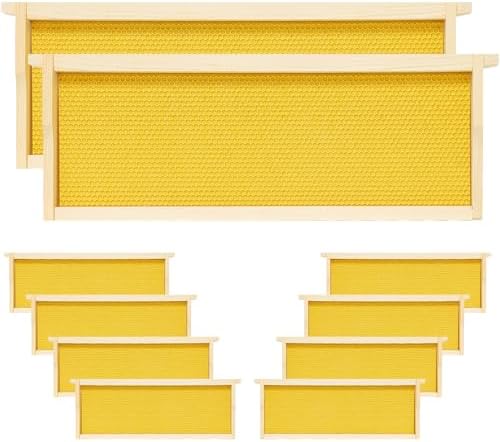
A wooden frame with a beeswax coated plastic foundation sheet is what most suppliers ship in starter kits, and for good reason. The wood is easy to repair and easy to cut down, the plastic sheet does not buckle in heat the way thin wax can, and the wax coating gives the bees a scent they accept quickly.

Honey Supers in a Medium Box
If your supers are mediums, order medium frames with them and keep them separate from your deep stock. Frames only fit their own box depth, and the single most common ordering mistake is a set of deeps arriving for a stack of medium supers in the middle of the flow.
Keepers Who Want the Toughest Option
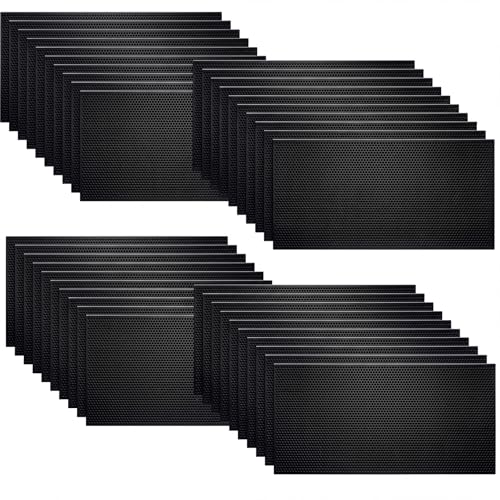
One piece plastic frames arrive as a single molded unit with the foundation built in, so there is no assembly, no nails and nothing to come apart when you pry them free. They wash, they survive scraping, and they last. Black plastic is the usual pick because pale eggs and small larvae are easier to see against it.

Natural Comb Without Foundation
Foundationless frames give the colony a starter strip or a wedge and let them build their own comb from scratch. Keepers choose them for natural cell size, clean wax and a low equipment cost. The comb is fragile until it is attached along the sides, so these frames want careful handling and level hives.

Replacing Foundation in Frames You Already Own
Wooden frames outlive their foundation by years. When comb turns black and heavy, the frugal move is to strip it, clean the woodwork and fit a new sheet rather than buying frames again. Buy foundation in the depth that matches your frames, not your boxes.
The Types Side by Side
Every frame on the market is a version of one of these four. The differences that matter day to day are how quickly bees accept the surface, how well the frame survives being pried out, and how much work it is before it ever reaches the hive.
| Frame type | What it is | Main strength | Watch out for |
|---|---|---|---|
| Wood plus plastic foundation | Wooden frame, wax coated plastic sheet | Best all round balance, easy to repair | Foundation can pop out if not seated properly |
| Wood plus wax foundation | Wooden frame, wired beeswax sheet | Fastest acceptance, all wax comb | Sags in heat, needs wiring or support pins |
| One piece plastic | Frame and foundation in one unit | Toughest, no assembly, easy to clean | Some colonies draw it slowly without extra wax |
| Foundationless | Frame with a starter strip or wedge | Natural comb, cheapest per frame | Fragile comb, cross comb if the hive is not level |
Assembled or Flat Packed
Flat packed frames arrive as loose sticks with nails, and they are cheaper per frame. Assembling them is a quiet winter job with wood glue, a stapler or a frame nailing jig, and glue matters more than the fasteners: a glued joint survives years of prying, a nailed only joint eventually racks loose.
Assembled frames cost more and save an evening. For a first hive it is worth ordering assembled so your equipment is ready when the bees arrive, then buying flat packed later once you have a workbench routine and know exactly which type you want.
How Many You Need and When
Count frames per box, not per hive. A ten frame deep takes ten, an eight frame box takes eight, and a five frame nuc takes five. Then add spares, because swarm season, splits and damaged comb all arrive at once and suppliers run short exactly when everyone needs them.
A useful habit is to keep one box worth of assembled spare frames on the shelf at all times. If you are still assembling the whole setup, our starter kit guide covers what is worth buying bundled, and the nuc box guide covers the five frame boxes those spares end up in.
Handling Frames Without Wrecking Them
Frames come out stuck. Propolis welds the ends to the box and burr comb bridges the tops, so the sequence is to break the seal with a hive tool, lift the outer frame first to make room, then work inward. Lifting a middle frame straight out of a full box rolls bees and tears comb.
Keep every frame vertical while it is out of the hive, especially new comb in warm weather. A frame grip and a frame perch that hangs off the side of the box make this dramatically easier when your other hand is holding a hive tool, and our frame grip guide covers both.
Frequently Asked Questions
Do bees prefer wax or plastic foundation? Colonies generally take to wax faster, and plastic gets accepted readily once it carries a decent coat of beeswax. A thin extra coat of melted wax on plastic is a common fix for slow drawing.
Can you mix plastic and wooden frames in one box? You can, and many keepers do while transitioning. Frames of the same depth interchange freely, though a mixed box makes it slightly harder to judge how fast comb is being drawn.
How often should frames be replaced? Rotate out comb when it turns dark and heavy. Many keepers replace a couple of brood frames a year so the whole brood nest turns over on a rolling cycle, keeping the woodwork if it is sound.
What is the difference between deep and medium frames? Only height. A deep frame runs about 9 1/8 inches tall and a medium about 6 1/4 inches, matched to the box depths. They are not interchangeable between box sizes.
Do foundationless frames need wire? Not always, but many keepers add horizontal wire or fishing line for support, especially in honey supers where the comb gets heavy and will be handled a lot.
Are black or natural plastic frames better? Black makes eggs and young larvae far easier to see in the brood nest, which is why it is the usual choice below the excluder. Natural is often used in supers where you are looking at honey instead.
The Bottom Line
Frames are the working surface of your hive, so buy the type you will be happy handling forty times a season rather than the cheapest line in the catalog. Wooden frames with wax coated plastic foundation suit most backyard keepers, one piece plastic suits anyone who wants durability over everything, and foundationless suits keepers who want natural comb and will handle it carefully. Read also our box by box hive explainer and the queen excluder guide for what sits between your brood frames and your honey frames.