Last updated: August 21, 2026
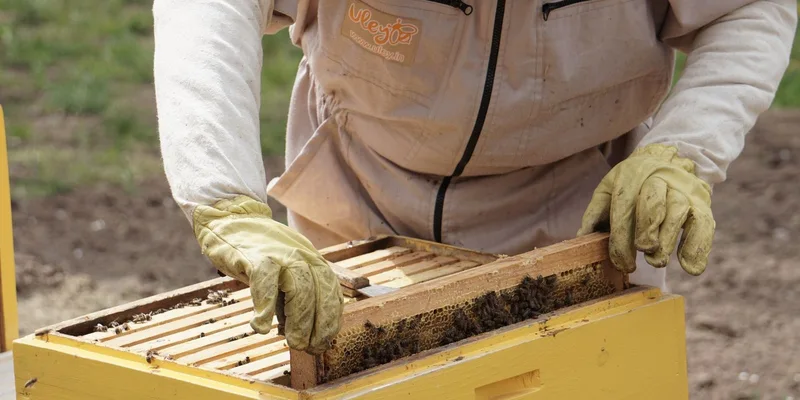
Every inspection has the same awkward moment. The box is open, you have a hive tool in one hand and a smoker somewhere near your boot, and you need to lift a frame out of a tightly packed box using fingertips on two narrow ends of a top bar that are slick with propolis. If the frame is a fully drawn deep full of honey, it is heavier than beginners expect, and the grip you have on it is worse.
Two inexpensive tools fix that moment. A frame grip clamps the top bar so you can lift with a whole hand instead of two fingertips, and a frame perch hangs on the side of the hive body so the frames you have already pulled have somewhere to sit that is not the grass. Neither is glamorous, and both are the sort of thing keepers wish they had bought in their first season.
This article contains affiliate links. If you buy through them, we may earn a commission at no extra cost to you. Learn more.
Quick Answer
Do you need a frame grip and a frame perch?
- A frame grip clamps the top bar and lets you lift a heavy frame one handed, which is the main reason keepers with wrist or grip problems buy one.
- A frame perch hooks over the side of the hive body and holds pulled frames upright, so you are not resting comb in the grass or leaning it against the stand.
- Stainless jaws and a spring that actually closes are the two things worth checking, since cheap grips slip on propolis coated bars.
- Neither replaces the hive tool; they replace the fingertip pinch that follows it.
Bottom line: the grip solves lifting, the perch solves parking, and together they make a solo inspection far less fiddly.
What a Frame Grip Does
A frame grip is a spring loaded clamp with two jaws that close over the top bar of a frame. You squeeze the handle, drop the jaws over the bar, release, and the spring holds the frame while you lift straight up. The load transfers to your whole hand and forearm instead of the tips of two fingers.
That matters most on a full deep. A fully drawn, capped deep frame is genuinely heavy, and lifting it with a pinch grip while wearing gloves is where dropped frames come from. The grip also keeps your fingers off the comb faces, which means fewer crushed bees along the top bar and less chance of catching the queen under a thumb.
Who Benefits Most
Anyone with arthritis, a weak grip, a healing wrist or simply small hands notices the difference immediately. So does anyone who inspects alone, since the grip frees the other hand for the smoker or the hive tool instead of demanding both hands for every frame.
What a Frame Perch Does
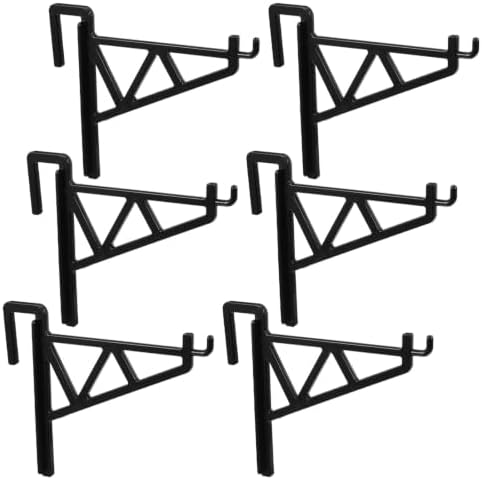
A frame perch, sometimes sold as a frame rest or frame holder, is a metal bracket that hooks over the rim of the hive body and holds two or three frames upright outside the box. When you pull the first frame to make room, it goes on the perch instead of leaning against the hive stand or lying in the grass.
That has three benefits. Comb stays vertical, so soft new comb does not sag or break off the foundation. Bees on the frame stay together and near the hive, so fewer get stepped on. And the frame stays off the ground, where it would otherwise pick up dirt, ants and whatever the lawnmower left behind.
Grips and Perches by Situation
Lifting Heavy Frames One Handed
The standard spring loaded stainless frame grip is the version to start with. Look for jaws that close firmly and a handle wide enough to squeeze in gloves, since a grip that needs bare fingers to operate defeats most of its purpose.

Somewhere to Put the Frames You Pull
A hanging frame perch that hooks over the side of a Langstroth body keeps pulled frames upright and near the colony. It is the single tool that removes the most improvisation from an inspection, because there is finally an obvious place for the first frame to go.

When You Would Rather Have It Built Into the Hive Tool
Some hive tools combine a lifter or grip jaw with the usual blade, which means one item in the hand instead of two. It is less positive than a dedicated grip on a heavy frame, but it suits keepers who dislike carrying more than one thing.

Working Frames on a Table or at the Extractor
A free standing frame holder gives you somewhere to rest frames during uncapping and extraction, away from the hive entirely. If harvest day currently involves balancing sticky frames on a cooler lid, this is the fix.
How the Options Compare
Grips and perches solve adjacent problems, and which one you need first depends on whether lifting or parking is the part of the inspection that goes wrong.
| Tool | Solves | Where it sits | Best for |
|---|---|---|---|
| Frame grip | Lifting a heavy frame one handed | In your hand or on your belt | Grip and wrist problems, solo inspections |
| Hanging frame perch | Parking pulled frames upright | Hooked on the hive body | Every routine inspection |
| Hive tool with lifter | Both, less positively | In your hand | Carrying as little as possible |
| Free standing holder | Holding frames off the hive | Bench or extraction table | Uncapping and harvest work |
What to Check Before You Buy
For a grip, look at the jaws and the spring. Jaws should be wide enough to spread the load along the top bar rather than concentrate it on one point, and the spring should snap closed rather than sag. Stainless resists the propolis and honey that will coat it, and a grip that comes apart for cleaning stays usable longer than a sealed one.
For a perch, the thing to check is which box rim it fits. Perches are made for standard Langstroth bodies, and a perch that sits loosely will tip when you hang a heavy honey frame on the outer slot. Look at how far the bracket drops below the rim, since a shallow hook is what lets a loaded perch slide off.
Weight, Backs and Boxes
A grip helps with individual frames, but it does nothing for the box itself. If lifting full deeps off a stack is the part that hurts, the answer is usually a change in equipment rather than a tool, and plenty of backyard keepers move to running mediums throughout for exactly that reason. Persistent back or wrist pain is worth raising with a doctor or physical therapist rather than working around indefinitely.
Frequently Asked Questions
What is a frame grip used for in beekeeping? Lifting frames out of a hive body with one hand. The spring loaded jaws clamp the top bar so the weight rests on your whole hand rather than two fingertips, which matters most on full deep frames.
Is a frame grip worth it for one hive? If you have any grip or wrist limitation, yes, immediately. If you have strong hands and inspect with a helper, it is a convenience rather than a necessity, and a frame perch may be the better first purchase.
Where do you put frames during an inspection? On a frame perch hooked to the hive body, or in an empty nuc box beside the hive. Leaning frames against the stand risks breaking comb and crushing bees, and laying them flat in the grass is worse.
Will a frame grip damage the top bar? A grip with wide jaws spreads the load and does not mark wooden bars in normal use. Narrow, sharp jawed clamps can dent soft pine over time, which is one reason to check jaw width before buying.
Does a frame grip work on plastic frames? Yes, the jaws clamp the top bar the same way. Plastic top bars can be slightly slicker with propolis on them, so a grip with a firm spring is worth having over a loose one.
Do I still need a hive tool if I have a grip? Absolutely. The hive tool breaks the propolis seal and frees the frame; the grip lifts it once it is loose. They are sequential, not alternative.
The Bottom Line
A frame grip turns a fingertip pinch into a proper handhold, and a frame perch gives pulled frames somewhere to live that is not the lawn. Between them they remove most of the fumbling from a solo inspection, and they cost little next to the rest of the setup. Buy the perch if parking frames is the problem and the grip if lifting them is, or both if your hands have opinions. See our hive tool guide for the tool that comes first in the sequence, and the tool kit list for the rest of the bucket.