Last updated: August 21, 2026
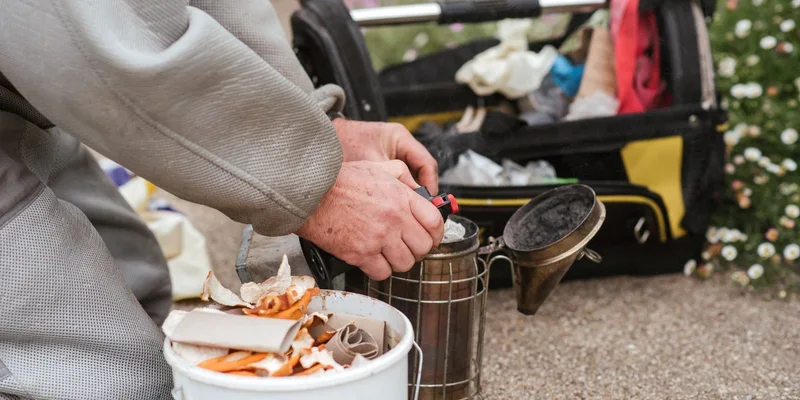
Most beekeeping equipment lists read like an inventory of a supply catalog. In practice, what a backyard keeper carries to the hives fits in a five gallon bucket, and about six items in that bucket get used every single time. Everything else is seasonal, occasional, or something you bought once and have not touched since.
The point of this guide is to separate those three groups. What you genuinely need before the bees arrive, what to add once you have inspected a few times and know what annoys you, and what can wait until a specific season or a specific problem shows up. It also covers why the bucket itself matters more than it sounds like it should.
This article contains affiliate links. If you buy through them, we may earn a commission at no extra cost to you. Learn more.
Quick Answer
What tools do you actually need for beekeeping?
- A smoker with fuel and a lighter, a hive tool, and a bee brush. That trio covers every routine inspection.
- Protection you will actually wear, meaning a suit or jacket with a veil, and gloves that let you feel the frame.
- Somewhere to put a pulled frame, which is either a frame perch on the hive or an empty nuc box on the ground.
- A mite monitoring setup, because knowing your mite load is the difference between managing a colony and guessing at it.
Bottom line: smoker, fuel, hive tool, brush, protection and a bucket to carry them. Everything else is an upgrade.
The Six Things You Use Every Time
Every inspection follows the same shape, and the same six items come out of the bucket. The smoker and its fuel, a lighter, a hive tool, a bee brush, and something to hold the frames you pull. If you own only those, you can work a hive properly. Everything after this section is refinement.
The mistake beginners make is buying breadth instead of quality. A good hive tool and a smoker that stays lit will do more for your first season than a drawer full of specialty gadgets, most of which solve problems you have not encountered yet and may never encounter with two hives in a suburban backyard.
The Core Kit
Smoker and Fuel
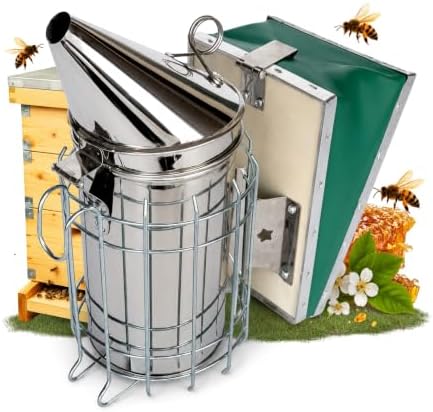
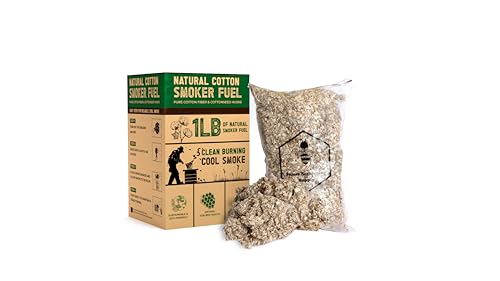
The smoker is the first item on the list and the one worth spending on. A large stainless barrel with a heat shield and a hook holds enough fuel for a full session and does not burn your suit when you set it against the hive body. Buy fuel with it rather than planning to gather some later, because your first inspection will arrive sooner than the pine needles dry.
Hive Tool
A stainless J hook is the version most backyard keepers settle on, because the hook lifts frames from underneath instead of prying them sideways into the next comb. Buy two, in a color you can find in the grass, and accept that one of them will spend part of the season lost.

Bee Brush
Soft, long bristles and a light color. The brush is a finishing tool for stragglers on box rims and excluders, not a way to clear a whole super, and a stiff or dark brush irritates a colony faster than almost anything else you can do with your hands.

Something to Carry It In
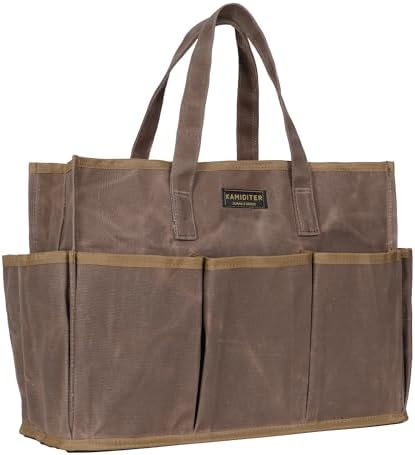
A bucket, a tote or a dedicated tool bag keeps the kit together and means you never walk to the hives twice. Many keepers use a plain five gallon bucket with a lid, which doubles as a seat and as a place to drop scraped burr comb, but a bag with pockets stops the small items from settling to the bottom.
What to Add After a Few Inspections
Once you have worked a hive four or five times, you will know which parts are awkward for you specifically. That is the right moment to add tools, because the annoyance tells you what to buy rather than a list telling you in advance.
The usual additions are a frame perch that hooks on the hive body, a frame grip if lifting full deeps by the fingertips is uncomfortable, a queen marking kit once you are tired of hunting for her, and an entrance reducer if robbing has started to show up. None of these is urgent in week one.
The Kit in Priority Order
| Item | What it does | When to buy | Notes |
|---|---|---|---|
| Smoker and fuel | Calms the colony, masks alarm pheromone | Before the bees | Large barrel with a guard, buy fuel with it |
| Hive tool | Breaks propolis, lifts frames, scrapes | Before the bees | Stainless J hook, buy two |
| Bee brush | Clears stragglers off rims and excluders | Before the bees | Soft, light colored, used sparingly |
| Mite monitoring gear | Measures mite load rather than guessing | First season | Follow an extension service method |
Monitoring Gear Is Not Optional
Of everything on this page, mite monitoring is the item most often skipped and most often regretted. A colony can look strong through summer and still be carrying a mite load that ends it over winter, and the only way to know is to measure. A jar and a scale, or a purpose made shaker cup, is all the hardware involved.
The method matters more than the gear. Penn State Extension and the University of Minnesota Bee Lab both publish monitoring procedures for the alcohol wash and the sugar roll, including how many bees make up a sample and how to read the result. Follow one of those rather than a version from a forum, and if the result points toward treatment, the dose, the timing and the question of honey supers all come from the EPA registered label of the product you buy.
Where to Read Rather Than Guess
Our mite counting guide covers what the alcohol wash and sugar roll involve in practice, and the treatment options comparison covers how the categories differ. Neither replaces the label on the product in your hand, which is the legal instruction and the one that governs what you may use and when.
Seasonal Additions, and What Can Wait
Some gear only makes sense at a specific point in the year. Feeders and syrup belong to spring and fall, mouse guards and insulation belong to late fall, and everything to do with extraction belongs to a weekend in mid to late summer that you will not forget once you have done it.
Extraction gear in particular is worth deferring. A first year colony often produces no surplus at all, since it spends the season drawing comb and building population, so buying an extractor before your first harvest is a real risk of buying it a year early. Many local clubs lend or rent extractors for exactly this reason.
Things People Buy and Rarely Use
Queen excluders divide opinion and get left in the shed by plenty of keepers. Specialty grafting tools, elaborate feeders and multiple styles of hive tool tend to accumulate faster than they get used. If a tool solves a problem you have not had yet, it can wait until you have it.
Frequently Asked Questions
What is the minimum equipment to start beekeeping? Protection you will wear, a smoker with fuel and a lighter, a hive tool and a bee brush, plus the hive itself and the bees. That is a complete working setup, and everything else can be added once you know what you are missing.
Is a beekeeping tool kit worth buying as a bundle? Often yes, if you need most of the contents anyway. Check the smoker in the bundle has a heat shield and that the hive tool is stainless, since those are the two places budget sets economize. Our starter kit guide covers the wider bundles.
What should I keep in my bee bucket? Hive tool, spare hive tool, brush, lighter, spare fuel, a notebook or your phone for records, a rubber band or clip for the smoker hook, and a scraper container for burr comb. A lidded bucket also gives you somewhere to sit.
Do I need a frame grip? Only if lifting frames by the top bar ends is uncomfortable, which depends on your hands and on whether you run deeps or mediums. It is a genuine help for anyone with a weak grip, as covered in our frame grip guide.
How many hive tools do I need? Two, minimum, and most keepers eventually own several. They get set on a box, forgotten and found in the lawn months later, and an inspection with no tool at all is not really an inspection.
Should I buy an extractor in my first year? Usually not. First year colonies frequently produce no surplus honey because they spend the season drawing comb and building numbers, and many local clubs lend or rent extraction equipment when the time comes.
The Bottom Line
The working beekeeping tool kit is short: a good smoker with fuel, a stainless hive tool or two, a soft brush, protection you will actually wear, and something to carry it all in. Add a frame perch and a marking kit once you know what irritates you, add mite monitoring gear in your first season without exception, and let extraction equipment wait until you have honey to extract. Start with our smoker guide and the hive tool guide, which cover the two purchases that matter most.