Last updated: August 21, 2026
A mouse in a beehive is not a cartoon problem. It moves in during the first cold snap, chews a nest out of the comb behind the cluster, urinates through the frames, and the colony cannot do a thing about it because bees in a winter cluster will not break formation to defend territory. By the time you find out in March, the damage is to the woodenware, the comb and often the colony.
The fix costs less than almost anything else in beekeeping and takes about a minute per hive. This guide covers the types of mouse guard, why timing matters more than the guard itself, the ventilation problem that comes with closing an entrance down, and the rest of the rodent proofing job that people forget until they open a stored super in spring.
This article contains affiliate links. If you buy through them, we may earn a commission at no extra cost to you. Learn more.
Quick Answer
Do you need a mouse guard on a beehive?
- Yes, in any climate where the colony clusters. A clustered colony cannot defend its entrance, and mice move in during the first cold nights.
- Fit it in fall, before the cold arrives. A guard fitted after a mouse is already inside seals the mouse in with the bees.
- Metal guards with holes or slots keep rodents out while bees pass freely. A wooden entrance reducer alone is not rodent proof, since mice chew wood.
- Closing the entrance down changes airflow, so check that your upper ventilation and moisture management still work with the guard on.
Bottom line: a metal guard fitted in fall is one of the cheapest pieces of winter insurance a backyard hive gets.
Why Mice Get In at All
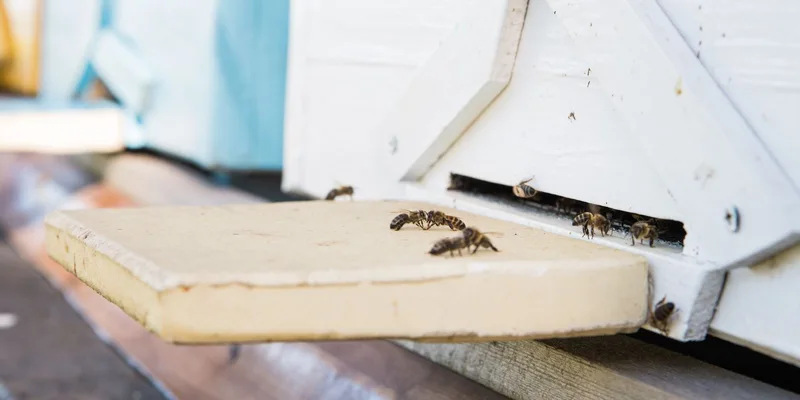
Through the warm months, guard bees hold the entrance and no rodent gets past them. Once temperatures drop and the colony forms a cluster to keep the core warm, that defense stops. The entrance is simply an open doorway into a dry, warm, food filled box, and mice are very good at recognizing one.
What they do inside is the problem. A nest chewed into the comb destroys drawn frames, the smell of rodent urine lingers in the woodenware long after the mouse has gone, and the disturbance itself stresses a cluster that has no energy to spare. Colonies do sometimes survive a mouse, but they come out of winter behind.
Timing Beats Hardware
The single most common mistake is fitting the guard too late. If a mouse has already moved in and you close the entrance, you have locked it inside with the colony, where it will keep chewing and now cannot leave. Fit guards in fall, while nights are still mild and before the first hard cold snap sends rodents looking for shelter.
The cue most keepers use is the fall management round: the last inspection, the mite count, the feeding decision and the guard all happen in the same visit. Our winterizing order of operations sets out where the guard fits in the sequence.
If You Suspect Something Is Already Inside
Look for chewed comb fragments, shredded material and droppings on the bottom board, all visible without opening the brood boxes. If there are signs, clear the hive before closing the entrance rather than sealing the problem in, and check whether the colony still has an intact cluster above.
Guards go on cleanly once the entrance is clear. Do not try to solve this with poison anywhere near a hive, because bait stations near an apiary are a hazard to everything that visits, including the colony you are trying to protect.
The Types of Guard
Three formats cover almost every backyard hive: a metal plate with drilled holes, a metal slotted or sliding reducer, and hardware cloth stapled across the entrance. All three do the same job, which is leaving a gap bees can pass through and rodents cannot, and all three are made of something a mouse cannot chew.
Drilled plates give a fixed opening pattern and are the classic design. Sliding metal reducers let you vary the entrance width through the season, which makes them useful in spring against robbing as well. Hardware cloth is the free version if you have a roll in the garage and a staple gun.
Why a Wooden Reducer Is Not Enough
Wooden entrance reducers narrow the doorway, which helps a small colony defend itself and cuts down drafts, but they are not rodent proof. A mouse chews through softwood without much trouble, and a reduced wooden opening is still a mouse sized opening in the first place.
The two pieces are complementary rather than alternatives. Plenty of keepers run a wooden reducer through the season for defense and add a metal guard over it in fall for rodents. Just make sure the combination does not close the entrance so far that the colony cannot clear its own dead.
Ventilation and Dead Bees
A narrowed entrance changes how air moves through the hive, and winter colonies are killed far more often by condensation dripping onto the cluster than by cold itself. Whatever upper ventilation or moisture management you use has to keep working with the guard in place.
The other consideration is undertaking. Bees die through winter and the living carry them out, so an entrance that clogs with bodies becomes a blocked entrance. Guards with larger openings clear themselves better, and a quick look on a mild winter day to sweep the entrance clear is worth the trip.
Snow, Slush and the Bottom Entrance
In snow country the bottom entrance disappears under a drift at some point, and an upper entrance is what keeps the colony connected to the outside. That is a separate piece of winter setup from the mouse guard, but the two decisions interact, and the guides on insulation and wrapping cover the moisture side in detail.
Keep the hive entrance clear of snow after storms, and angle the hive very slightly forward so meltwater runs out rather than pooling on the bottom board. That tilt costs nothing and solves a problem people otherwise chase all winter.
Mouse Guards by Setup
The Standard Answer for a Langstroth Hive
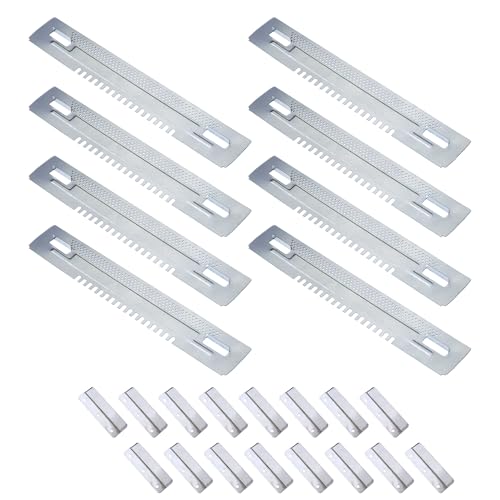
A metal guard with drilled holes or slots, sized for a ten frame entrance, is what most backyard keepers fit and forget. It slides or tacks into place in seconds and takes no thought once it is on. Check the fit against your hive footprint before ordering, since eight and ten frame entrances differ.
Adjustable Through the Season
A sliding metal reducer gives you a variable opening, which is useful beyond winter: narrowed in spring for a small colony, narrowed again during a dearth against robbing, and closed to rodent width in fall. One piece of hardware covering three jobs is a good trade for a backyard apiary.

Defense Rather Than Rodent Proofing
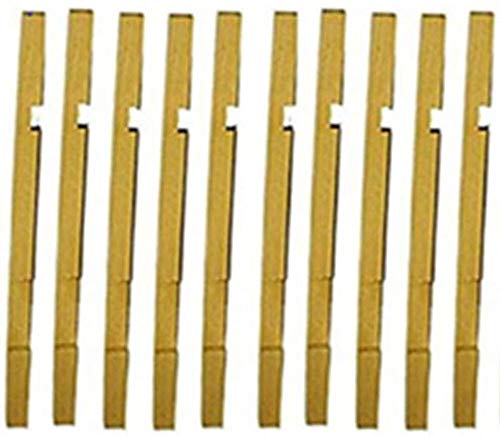
A wooden entrance reducer is the piece that helps a colony guard its doorway and cuts drafts, and it belongs in the kit even though it does not stop mice. Most keepers run both, wooden reducer for defense and metal guard over the top for rodents.
Holding the Stack Together
The other fall job at the entrance end is making sure winter wind does not lift a lid or shift a box. A ratchet strap around the whole stack, anchored to the stand, is the standard answer and it costs less than replacing a blown off telescoping cover.

Comparing the Formats
| Format | Rodent proof | Adjustable | Notes |
|---|---|---|---|
| Drilled metal plate | Yes | No | Fixed opening, clears dead bees well |
| Sliding metal reducer | Yes | Yes | Doubles as a robbing measure in spring |
| Hardware cloth | Yes | Cut to suit | Free if you have a roll and staples |
| Wooden reducer | No | Two openings | Defense and drafts, not rodents |
The Part People Forget: Stored Equipment
Mice are at least as interested in your stored supers as in your live hives. Drawn comb in a stack in the shed is undefended food and shelter all winter, and a mouse nest in a box of drawn frames costs you comb that took the colony a season to build.
Store supers off the floor, closed top and bottom, ideally somewhere cold enough to discourage wax moth as well. Stacking boxes with a screened bottom and a lid, in an unheated space, handles both problems at once and keeps the comb ready to go back on in spring.
Frequently Asked Questions
When should I put mouse guards on? In fall, during your last management round, before the first hard cold nights. Fitting them after rodents have already moved in traps the problem inside the hive.
When do they come off? In spring, once the colony is flying strongly and can defend its own entrance again. Leaving a guard on into a heavy flow restricts traffic more than a busy colony appreciates.
Will bees get through a mouse guard? Yes. The openings are sized so bees pass freely while rodents cannot, though heavily laden foragers and drones move through more slowly than through an open entrance.
Is a wooden entrance reducer enough? No. Mice chew softwood, and a reduced wooden entrance is still an opening a mouse can use. Use a metal guard for rodents and keep the wooden reducer for defense and drafts.
What if the entrance clogs with dead bees? Sweep it clear with a hive tool or a stick on a mild day. A blocked entrance in winter is a real risk, and a quick check after a cold spell takes seconds.
Do I need one on a top bar hive? Any hive that clusters for winter has the same undefended entrance problem. The hardware differs by hive design, so match the guard to your entrance rather than assuming a Langstroth part fits.
The Bottom Line
Fit a metal guard in fall, before the cold, and take it off in spring. That is the whole job, and it protects drawn comb and woodenware that cost far more to replace than the guard. Keep the wooden reducer for defense and drafts, check that your ventilation still works with the entrance narrowed, and give the stored supers the same consideration. The full fall sequence is in our winterizing guide, and if robbing is the problem you are actually facing, a robbing screen is the tool for that.