Last updated: August 21, 2026
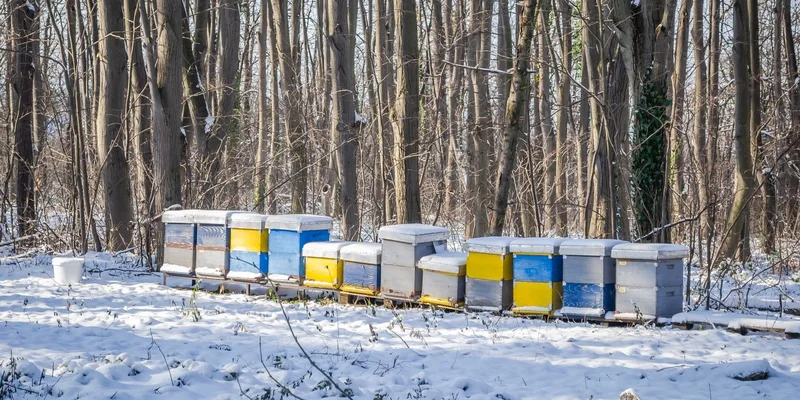
Most backyard colonies that die over winter were already in trouble in September. The hive looked busy, the supers came off, and nobody looked hard at the mite load or at how much capped honey was actually sitting above the cluster. By the time a January deadout gets opened, the story is written in the frames.
Winterizing a beehive is less about gear than about sequence. Wrapping a colony that is starving, or insulating a hive that is soaked from the inside, moves nothing. This guide walks the order of operations most backyard keepers use in fall, from the last mite decision through the strap that holds the lid down in a February gale.
This article contains affiliate links. If you buy through them, we may earn a commission at no extra cost to you. Learn more.
Quick Answer
How do you winterize a beehive, and in what order?
- Mites first. Winter bees are raised in late summer, so the mite decision comes before the wrap.
- Food second. Heft the hive and confirm capped stores sit directly above the cluster.
- Then close the gaps: entrance reducer, mouse guard, and a plan for the moisture the cluster makes.
- Insulation, wraps and straps come last, once the colony is healthy, fed and dry.
Bottom line: winter prep is a sequence, and skipping to the wrap is how a hive that looked fine in October becomes a February deadout.
Why the Order of Operations Matters
The steps of winter prep depend on each other. A wrap keeps wind off a colony but cannot replace missing food, and it does nothing about a mite load that already damaged the bees meant to live six months. Doing the easy visible jobs first is how beekeepers end up with a tidy, well insulated deadout.
Think of it as four layers stacked in time: health, food, dryness, then shelter. Each window closes, and once a colony has raised its winter bees you cannot raise them again.
Step One: The Mite Decision Comes First
Winter bees are raised in late summer and early fall, and they are the individuals that must survive months rather than weeks. Because varroa feed on developing and adult bees, a high mite load in that window damages exactly the bees you need most. That is why the mite decision sits at the front of the sequence.
Start by measuring rather than guessing. An alcohol wash or a sugar roll gives you a number instead of an impression, and our guide to counting mites covers both.
Where the Numbers Have to Come From
If you decide to treat, the dose, the temperature window, whether honey supers may be on the hive and how long a product stays in place are all set by the EPA-registered label for the product you buy. Read that label. For thresholds and timing, Penn State Extension, the University of Minnesota Bee Lab and Michigan State Extension publish regional honey bee health guidance.
Step Two: Judge the Food, Not the Population
A hive that looks strong in October can still be light. What matters is capped stores positioned above and beside the cluster, because bees move up through the comb as they eat and will not cross a cold gap sideways to reach honey in the far corner. Population without stores is a fast deadout.
Most keepers judge stores by heft, tilting the back of the hive and learning what a well provisioned colony feels like on their own stand. A luggage scale under the back rail turns that into a number you can compare week to week.
If the Hive Is Light
Feeding syrup only works while the bees can still evaporate and cap it, which in most of the country means early fall. After that the answer switches to solid feed, covered in our winter feeding guide. How much a colony needs varies by climate, so ask your state apiarist rather than trusting a national number.
Step Three: Close the Entrance Against Mice and Robbers
As the colony contracts and stops guarding the full entrance, two problems arrive at once. Robbing bees and wasps probe a weak hive during the fall dearth, and mice look for a dry cavity as soon as nights turn cold. Both are solved at the entrance, and both are easier to prevent than to fix.
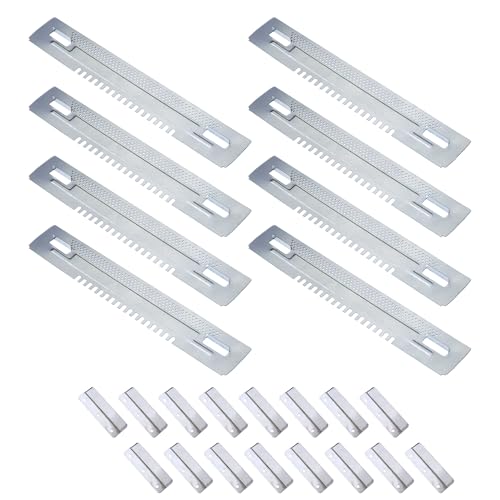
An entrance reducer shrinks the opening the guards have to defend. A mouse guard goes further with a metal strip whose openings pass bees but stop a mouse. Wood reducers get chewed; metal does not, which is why most keepers switch after finding one nest in a bottom box.
Best for a Hive at Ground Level in a Field or Hedge
A perforated metal guard screwed across the entrance handles rodents without you swapping parts as the weather changes.
Step Four: Deal With Moisture Before You Deal With Cold
A winter cluster generates heat and water vapor. That vapor rises, meets a cold inner cover, condenses and drips back onto the bees. Cold bees survive; cold wet bees usually do not. The two common fixes are an upper vent that lets damp air escape and an absorbent layer above the cluster, and our beehive insulation guide covers which suits which climate.
Step Five: Wrap or Insulate, Now That It Will Do Something
With the colony healthy, fed and set up to stay dry, a wrap finally earns its place. What it buys you is a windbreak plus slower heat loss, so the cluster burns fewer stores holding its temperature and can shift to reach food on marginal days.
Options range from black roofing felt through slip-on jackets to rigid foam board. A wrap that suits Minnesota is overkill in Georgia, and our winter wrap comparison lays out the three approaches side by side.
Best for a Keeper Who Wants One Piece That Goes On in Five Minutes
A slip-on insulated jacket sized to your stack is the least fiddly option in a cold wind.
Step Six: Secure the Lid, Level the Stand, Clear the Approach
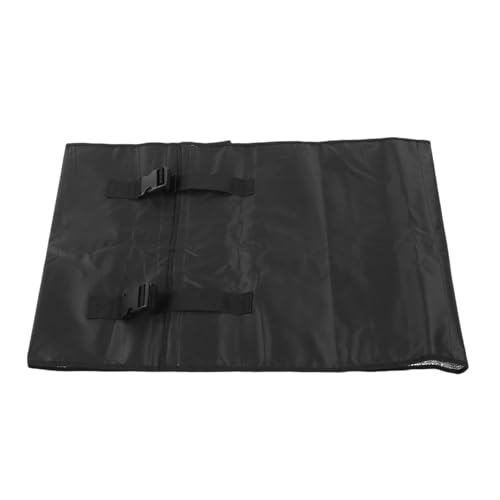
The last jobs are physical. A lid that lifts in a winter storm exposes the cluster, and a hive that blows off its stand in January is rarely found in time. A strap around the whole stack, anchored to the stand, solves both in a minute per hive.
While you are there, check that the hive tilts very slightly forward so meltwater runs out of the entrance, and clear anything from the flight path that will hold a snowdrift against the front of the box.
Best for Exposed Yards and Rooftop Setups
A ratchet strap around lid, boxes and stand holds the column together through wind and curious raccoons.

The Fall Sequence at a Glance
Timing is described by season rather than date, because a fall in Vermont and a fall in Texas are not the same month.
| Step | Rough window | What it protects | Cost of skipping it |
|---|---|---|---|
| Mite count and decision | Late summer | The lifespan of the winter bees | A strong colony that dwindles in midwinter |
| Food check and fall feeding | Early fall | Stores above the cluster | Starvation beside honey in the wrong box |
| Reducer and mouse guard | As the dearth starts | Against robbing and rodents | Chewed comb, a nest in the bottom box |
| Moisture management | Before the first hard freeze | Dry bees under a cold lid | Condensation dripping on the cluster |
| Wrap or insulation | Once nights stay near freezing | Less heat loss, plus a windbreak | More stores burned on temperature |
| Strap, level, clear | Last visit of the season | The lid and the stack | A toppled hive nobody sees for weeks |
What Not to Do in Fall
Three habits cause most avoidable winter losses. Opening the hive repeatedly after the cluster forms breaks the heat the colony built. Sealing every vent in the name of warmth traps the moisture that actually kills. Feeding thin syrup late adds water to a hive trying to dry down.
The fourth is emotional rather than technical. A queenless, shrinking colony in October rarely turns a corner alone, and combining it with a strong neighbor is what most experienced keepers choose.
Frequently Asked Questions
When should I start winterizing a beehive? Earlier than most people expect. The health and feeding steps belong in late summer and early fall, while the bees can still respond. Only the physical jobs like wrapping and strapping wait for cold weather. Ask your state apiarist or county association for local timing.
How often should I check the hive in winter? Rarely, and mostly from outside. Heft the back for weight, watch the entrance on a warm afternoon, and clear dead bees from the opening.
Do I need to wrap a hive at all? It depends on your climate and how exposed the yard is. Wraps reduce heat loss and block wind, which matters most in long cold winters and open sites. In mild regions many keepers skip wrapping entirely.
Can I still feed syrup in late fall? Only while the bees can evaporate and cap it, which ends when nights get cold. After that, solid feed such as fondant, a candy board or dry sugar adds calories without adding water to the hive.
My hive died over winter. How do I find out why? Look at the deadout before you clean it. Where the cluster sat, whether capped honey remains elsewhere in the box, whether the bottom board is wet, and whether there are signs of mice or robbing all narrow it down. A local association or your state apiarist can help read the evidence.
The Bottom Line
Winterizing a beehive is a sequence, not a shopping list: settle the mite question while the winter bees are still being raised, confirm capped stores sit above the cluster, manage moisture, and only then wrap, insulate and strap. Gear helps at the end of that chain and cannot rescue the start of it. Read next: our beehive insulation guide, and winter feeding for a hive that goes light in January.