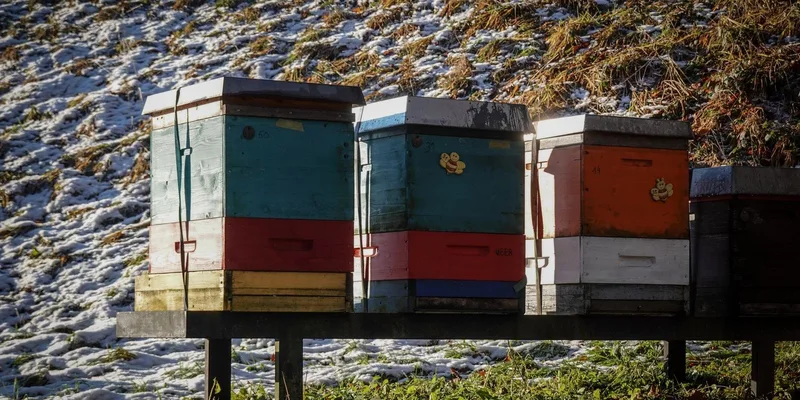
Last updated: August 21, 2026
Wrapping hives splits a beekeeping club neatly in half. One group has wrapped every colony in black felt since the 1970s and would not dream of skipping it. The other runs bare boxes through the same winter, points at their survival rate, and asks what the fuss is about. Both are often right, because they keep bees in different places.
A beehive winter wrap is a windbreak with a modest insulation bonus, not a heater and not a substitute for stores. This guide covers the three approaches backyard keepers use, tar paper, rigid foam and slip-on jackets, plus the case for leaving a hive bare and how to size a wrap to your stack.
This article contains affiliate links. If you buy through them, we may earn a commission at no extra cost to you. Learn more.
Quick Answer
Should you wrap a beehive for winter, and with what?
- Wraps mainly block wind and slow heat loss, so they pay off most in long winters and exposed yards.
- Tar paper is the traditional cheap option and adds solar gain on sunny days, with almost no insulation value of its own.
- Rigid foam adds real insulation but has to be cut, held on and stored somewhere.
- Slip-on insulated jackets are the least fiddly, provided you buy the size that matches your box count.
Bottom line: wrap the sides for wind, insulate the top for moisture, and never let either one seal the hive shut.
What a Winter Wrap Actually Does
A wrap works on two fronts. It stops wind stripping heat off the outside of thin pine boxes, which is the bigger effect, and depending on the material it adds some resistance to heat loss through the walls. The colony still holds its own temperature inside the cluster; the wrap just means it spends less honey doing it.
What a wrap does not do is fix a moisture problem, feed a light colony or undo a bad mite season. Those belong earlier in the sequence, which is why our winterizing guide puts wrapping near the end of the list rather than at the start of it.
Tar Paper: The Traditional Option
Roofing felt, still called tar paper by most beekeepers, is the oldest wrap in the book. It is cheap, it cuts with a utility knife, and it goes on with staples or a strap. Its insulation value is close to nothing, but the black surface soaks up sun on clear winter days, and that warmth on the hive wall can matter for cleansing flights.
The drawbacks are practical. It tears, staples chew up the boxes over the years, and a sheet that comes loose in a January storm flaps around the yard. Most keepers who use it cut a fresh piece each year.
Fitting It Without Sealing the Hive
Whatever you wrap with, cut around the entrance and around any upper opening you rely on. A wrap that covers the top vent turns a working moisture setup into a sealed box, and that undoes the whole point. Leave the lid free to sit flat too, since a wrap folded over the rim holds it proud and lets wind under.
Rigid Foam Board: More Insulation, More Work
Foam board is the choice of keepers who want measurable insulation on the walls rather than a windbreak. Sheets get cut to the height and width of the stack, held against the four sides with a strap or a purpose built frame, and often paired with a foam sheet above the inner cover for the moisture side of the job.
It works, and it is durable enough to reuse for years if you store it flat and dry. What it costs you is time in the fall, storage space in the summer, and a bit of care in cutting so the panels sit flush without gaps at the corners where wind finds its way back in.
Best for Keepers Who Want to Insulate the Lid at the Same Time
Rigid board bought as a sheet covers both the walls and the space above the inner cover, which is where insulation does the most for condensation.

Slip-On Insulated Jackets
The purpose made hive wrap is a sleeve of tough outer fabric with an insulating layer inside, sized to slip over a standard stack and close with hook and loop or a drawstring. Bee Cozy is the long running example most keepers recognize, and there are now several similar wraps built from heavy Oxford fabric with a foam or foil layer inside.
The appeal is simple. Putting one on takes a couple of minutes in a cold wind, it comes off in one piece in spring, and it folds into a bin for the summer without tearing. The catch is sizing, because a jacket cut for two deeps does not fit a deep plus two mediums.
Best for a Standard Two Deep Ten Frame Hive
The most common size on the shelf, cut to cover two deep bodies on a ten frame footprint, which is the setup most backyard keepers overwinter.
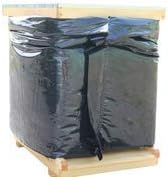
Best for Eight Frame Boxes and All Medium Stacks
Eight frame equipment and mediums-only setups need a narrower or taller wrap, and buying the ten frame version and cinching it in leaves gaps at the corners.
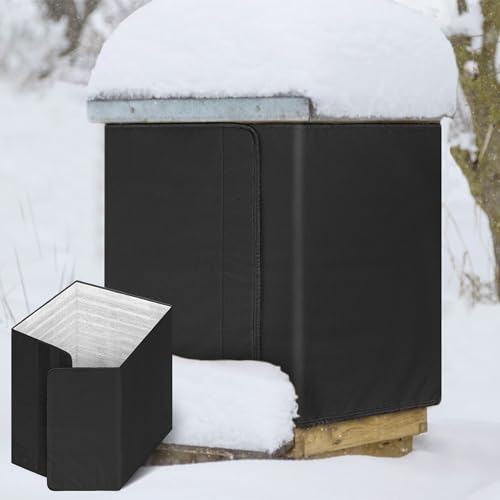
Best for Overwintering a Nuc
A five frame nuc has a poor volume to surface ratio and a smaller cluster, so a wrap sized for a nuc box is worth more here than on a full colony.
The Case for Wrapping Nothing
Plenty of keepers in mild and moderate climates run bare boxes all winter and do fine. Where winters are short, where the yard is sheltered by a fence or hedge, and where the colony goes in heavy and healthy, a wrap adds work without changing much. In hot southern winters it can even be counterproductive on sunny days.
If you are unsure which camp your yard is in, ask locally. A county association knows what survives in your zip code, and your state apiarist can point you at region specific extension guidance rather than a rule of thumb from a different climate.
Comparing the Three Approaches
Read the table as a match between your yard and the amount of work you want to do in November, not as a ranking. All three are in wide use.
| Wrap type | Main effect | Best suited to | Trade-off |
|---|---|---|---|
| Tar paper or roofing felt | Windbreak plus solar gain on the black surface | Traditional setups, keepers wrapping many hives | Tears, staples damage boxes, little insulation value |
| Rigid foam board | Real resistance to heat loss through the walls | Long cold winters, keepers who also insulate the lid | Cutting, strapping and summer storage |
| Slip-on insulated jacket | Windbreak plus a built in insulating layer | Backyard keepers with one to four hives | Sizing is fixed, so buy for the stack you run |
| No wrap | Nothing, deliberately | Mild climates and sheltered yards | Exposed sites lose more heat to wind |
When to Put It On and When to Take It Off
Wraps go on once nights sit near freezing and the colony has stopped bringing in forage, and come off in spring when the colony is expanding and daytime temperatures climb. Leaving a dark wrap on into a warm spring can overheat a hive in full sun, which is the more common mistake of the two.
Exact dates depend on your climate, so treat any calendar you read online as a starting point and check it against local practice. A wrap that stays strapped through a warm spell in February is also a wrap you cannot easily lift to heft the hive for weight.
Mistakes That Make a Wrap Useless
Covering the entrance or the upper vent is the big one. A wrapped hive with nowhere for humid air to go traps the moisture that actually kills colonies, and the beekeeper walks away feeling they have done something helpful. Cut the openings clear and check them again after the first storm.
Two smaller ones: wrapping a hive without a mouse guard simply gives rodents a warmer place to move into, which our mouse guard guide covers, and wrapping over a lid that is not strapped down means the first real gust lifts both at once.
Frequently Asked Questions
Do I really need to wrap my beehives for winter? Not everywhere. Wraps help most in long, cold, windy winters and in exposed yards, and add little in mild regions or sheltered sites. Local practice through a county association or your state apiarist is a better guide than a national rule.
Is tar paper or an insulated wrap better? They do different jobs. Tar paper is a cheap windbreak that gains some solar heat on sunny days. An insulated jacket adds an actual insulating layer and is far quicker to fit. Keepers in the coldest regions often prefer insulation, and traditionalists stay with felt.
Will a black wrap overheat the hive? In midwinter it mainly helps, since the extra surface warmth can support cleansing flights. In spring it can work against you, which is why wraps come off once daytime temperatures rise rather than at a fixed date.
Can I wrap a hive and still ventilate it? You have to. Cut the wrap clear of the entrance and any upper opening, and keep whatever moisture setup you use working underneath it. A sealed wrap is worse than no wrap.
What size wrap do I need? Match the wrap to your footprint and your box count: eight frame or ten frame, and the number of deeps and mediums you overwinter. A wrap cut for two deeps will not cover a deep plus two mediums, and a loose fit at the corners lets wind straight back in.
Should I wrap a nuc the same way? A five frame nuc has a small cluster and a lot of surface for its volume, so keepers in cold regions give nucs more attention rather than less. Wraps sized for nuc boxes exist for that reason.
The Bottom Line
A beehive winter wrap is a windbreak first and an insulator second, so choose one based on how exposed your yard is and how much fall labor you want. Tar paper is cheap and traditional, rigid foam insulates the most, a slip-on jacket is the fastest to fit, and in a mild sheltered site nothing at all is a defensible choice. Whatever you pick, keep the entrance and upper vent open. Read next: beehive insulation for the moisture side of the hive, and the order of operations for where wrapping fits in the fall.