
Last updated: August 21, 2026
A nuc box is the most useful piece of equipment nobody buys until their second season. It is a small hive, usually five frames wide, and it turns out to be the box you reach for every time something unexpected happens: a swarm hanging off a fence post, a split you did not plan, a queen you want to keep somewhere safe, a colony too small to defend a full box.
The catch is that nuc boxes come in materials that behave completely differently, from a cardboard carton meant for one trip to a wooden box that will outlive your first hive. This guide covers what each one is genuinely for, what to check on the listing, and why an empty nuc on the shelf in April is worth more than it costs.
This article contains affiliate links. If you buy through them, we may earn a commission at no extra cost to you. Learn more.
Quick Answer
Which nuc box should you buy?
- Wood if the box will hold bees for weeks or months: splits, mating nucs, overwintering a small colony.
- Corrugated plastic if you mainly need something light, waterproof and stackable for transport and swarm calls.
- Waxed cardboard for a single trip; treat it as packaging rather than equipment.
- Check the frame depth matches your hive, since a five frame nuc is almost always deep and mediums are the exception.
Bottom line: buy one wooden nuc before swarm season and keep it assembled and empty on the shelf.
What a Nuc Box Is For
A nuc, short for nucleus colony, is a small working hive with a queen, brood, food and enough bees to look after it. The box that houses it is a narrow version of a standard hive body, usually five frames wide, with a bottom, a lid and a small entrance. Frames from it drop straight into a full size box.
That last point is the whole design. A nuc is a staging area, not a different system. Whatever a colony builds in the nuc transfers into a ten or eight frame hive without cutting, adapting or rehousing. If you are still deciding how to buy your first bees, our package or nuc comparison covers that decision separately.
Nuc Boxes by Situation
The One Worth Owning Permanently
A wooden five frame nuc with its own lid and bottom board is real equipment. It holds a split for months, houses a mating nuc while a new queen gets going, overwinters a small colony in some climates, and doubles as a swarm box. Look for a solid entrance you can close and a lid that will not lift in wind.

Starting a Split From Scratch
If you do not already have spare drawn comb, a nuc sold as a complete kit with frames and wax coated foundation saves an ordering round. It also means the frames are the right depth by definition, which is the mistake most likely to strand you halfway through a split on a Saturday.

Swarm Calls and Moving Bees
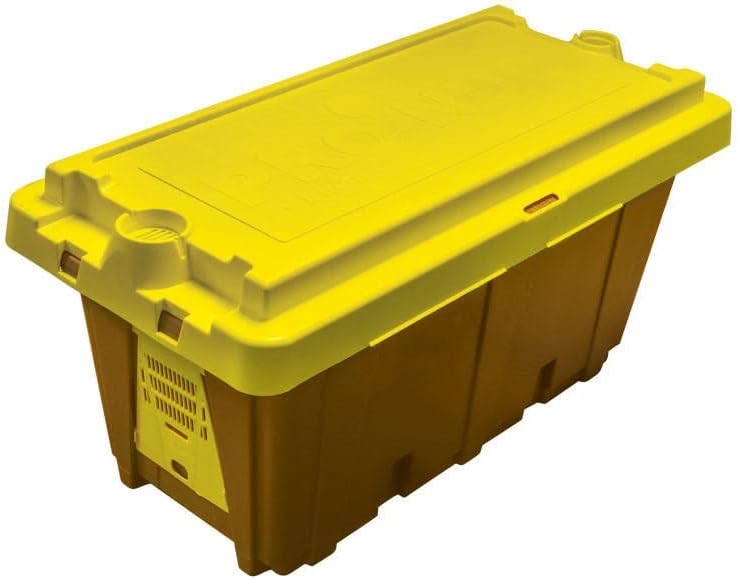
Corrugated plastic nucs weigh almost nothing, shrug off rain, and stack flat in a car trunk. That combination is exactly what a swarm call needs: something you can carry one handed, seal for the drive and hose out afterwards. They are less suited to months of occupancy than wood.
Transport With Proper Airflow
Any box that will hold bees in a closed car needs ventilation, not just a plug. Boxes with a screened panel or a rotating entrance disc that offers a mesh position let you shut the bees in without cooking them, which matters most on exactly the warm afternoons when swarms happen.

The Materials Compared
Material decides how long the box can hold bees and how much handling it survives. Read the third column as the honest use case: a cardboard nuc is not a cheap wooden nuc, it is a different product with a different lifespan.
| Material | Build | Best used for | Watch out for |
|---|---|---|---|
| Wood | Pine box, often wax dipped, solid floor and lid | Splits, mating nucs, overwintering, long term use | Heaviest option, needs paint or a coating |
| Corrugated plastic | Twin wall sheet, folded and clipped | Swarm calls, transport, spare capacity | Light enough to blow over, chewable at edges |
| Waxed cardboard | Wax coated carton with a vent | One trip from the supplier to your hive | Not weatherproof, treat as packaging |
| Polystyrene | Molded foam box with a fitted lid | Small colonies in cold weather | Dents easily, needs covering from sunlight |
What to Check Before You Order
Three things decide whether the box is useful to you. First, frame depth: nucs are usually built for deep frames, so if you run all mediums, check the listing carefully or you will get a box your frames rattle around in. Second, whether frames are included. Third, whether the lid actually latches.
Also look at the entrance. A disc or a sliding closure lets you shut bees in for a move and open a small entrance for a weak colony, which is the difference between a box you can transport and a box you can only keep in one place. Frame depth questions are covered in our frames guide.
Getting Bees Out of the Nuc and Into the Hive
Installing a nuc is the easiest task in beekeeping. Open the full size hive, remove five frames, and move the nuc frames across in the same order and the same orientation they were in, keeping the brood together in the middle. Fill the remaining space with your frames, close up and leave them alone for a week.
Do it on a calm afternoon with a lit smoker and your suit on, since the colony has just been driven somewhere and will not be at its most patient. If you are assembling that gear now, our starter kit guide covers the full list, and the smoker guide covers keeping one alight through the job.
Why the Empty Nuc Earns Its Shelf Space
A nuc box only shows its value when something goes wrong or right unexpectedly. Swarm cells in April, a colony that needs splitting before it leaves, a queen you want isolated, a neighbor calling about a cluster on their mailbox. All of those are easy with a nuc on the shelf and awkward without one.
It is also the cheapest form of insurance in the hobby. Keeping a small colony going in a nuc through the season means you have a queen and a starter colony ready if your main hive fails, which is a far better position than ordering bees again next spring.
Frequently Asked Questions
How many frames does a nuc box hold? Five is the standard, and it is what suppliers sell colonies in. Two, four and six frame boxes exist for mating nucs and specific jobs, but the five frame deep is the one that matches everything else.
Can you keep a colony in a nuc permanently? Not really. A healthy colony outgrows five frames quickly and will swarm if it has nowhere to expand, so a nuc is a stage, not a home. Some keepers do overwinter small colonies in wooden nucs.
Do nuc frames fit a normal hive? Yes, provided the depth matches. That interchangeability is the point of the design and the reason nucs are the usual way to sell bees.
Is a cardboard nuc reusable? Sometimes once or twice if it stays dry, but it is built as packaging for a single trip. Anything longer wants corrugated plastic or wood.
Can you use a nuc box as a swarm trap? It works for small swarms and is a common improvisation, though purpose built traps are larger and hung higher. A nuc left out with an old brood comb will sometimes catch one.
Should the nuc box be painted? Wooden ones, yes, on the outside only, exactly as you would treat a hive body. Leave the inside bare.
The Bottom Line
Buy a wooden five frame nuc if the box needs to hold bees for weeks, corrugated plastic if it mainly needs to be light and waterproof, and treat cardboard as packaging. Check the frame depth against your hive before ordering, and keep one assembled and empty through swarm season. Read also our package versus nuc comparison for how to buy your bees, and the Langstroth explainer for how the frames transfer across.