Last updated: August 21, 2026
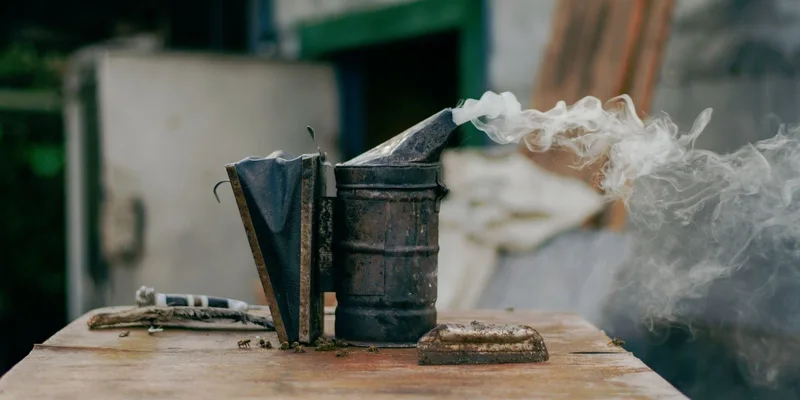
Ask ten beekeepers what they burn and you will get ten answers, half of them free and half of them bought. Pine needles off the lawn, a strip of old burlap, dried grass, wood pellets, punk wood out of a rotten stump, compressed cotton fiber from a bag. All of them make smoke. Only some of them make the kind of smoke you want going into a hive.
The difference matters more than the smoker does. A well built smoker packed with the wrong fuel gives you hot, sooty smoke that drives bees up between the frames, or it dies out two minutes after you set it down. This guide covers what separates a fuel that burns cool and long from one that flares and quits, and which options are worth buying instead of gathering.
This article contains affiliate links. If you buy through them, we may earn a commission at no extra cost to you. Learn more.
Quick Answer
What is the best bee smoker fuel?
- Cotton fiber lights from a single match, smolders steadily and is the most forgiving option if you are still learning to pack a smoker.
- Burlap and jute pellets burn long and cool, which suits a full afternoon of inspections across several hives.
- Pine needles and dry leaves are free and work well, provided they are properly dry and you build a hot base underneath them.
- Anything treated, painted, glued or synthetic stays out of the smoker, and that includes plywood scraps, pressure treated offcuts and cardboard with printing on it.
Bottom line: buy cotton or burlap for reliability, gather pine needles for volume, and keep both dry.
What Makes a Fuel Good or Bad
A good smoker fuel smolders rather than burns. It should catch quickly from a lighter, then settle into a slow, oxygen starved burn that produces thick white smoke without an open flame. The smoke should feel cool at the spout after a few pumps, not sharp or stinging, and the fuel should keep going for the length of an inspection without constant attention.
Bad fuel does one of three things. It flares into actual flame and sends sparks out of the spout, which is a fire risk and a risk to the bees. It burns out fast because the material is too light and airy. Or it produces hot, acrid smoke because it is too green, too resinous or, worst of all, treated with something that was never meant to be inhaled by anything.
The One Hard Rule
Nothing treated, glued, painted, laminated or synthetic goes in the barrel. Pressure treated lumber, plywood, particle board, glossy printed cardboard and anything with adhesive in it release compounds you do not want in a hive that is going to produce honey, and that you certainly do not want to be standing over for twenty minutes. Untreated natural material only.
Bought Fuels Compared
Cotton Fiber, the Easiest to Light
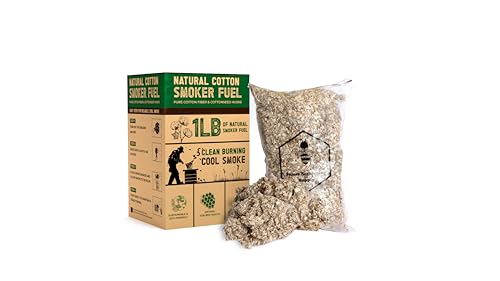
Compressed cotton fiber comes as a loose fluffy mass in a bag, catches from a single match and settles into a long, even smolder. It is the most beginner friendly option because it forgives a loose pack, and it is what most keepers keep in the shed as a reliable base layer even when the top of the smoker is stuffed with whatever the yard produced.
Burlap and Jute Pellets, the Long Burners
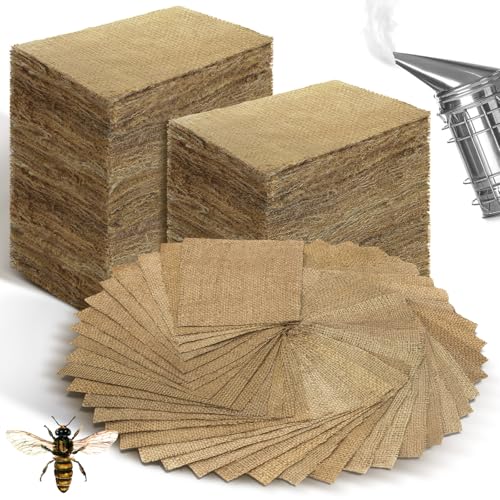
Burlap has been standard smoker fuel for as long as there have been feed sacks, and it now comes as compressed pellets that pour straight into the barrel. Pellets pack evenly, burn slowly and produce dense cool smoke, which is why keepers with several hives tend to end up here after trying everything else.
Pine Needles, Bought or Gathered
Dry pine needles make excellent smoke and are the classic free fuel in most of the country, but they need to be genuinely dry and they burn faster than pellets. Bagged pine needle fuel exists for keepers without a pine in the yard, and it saves you drying and storing a crate of them yourself.

Wood Pellets, Dense and Slow
Untreated hardwood pellets, the kind sold for pellet grills and smokers, burn dense and slow and are easy to store. They need a proper hot base underneath them to get going, so most keepers light a handful of cotton or paper first and pour the pellets on top of an established ember bed.

Free Fuels Worth Gathering
Plenty of good smoker fuel grows in the yard for nothing. Dry pine needles, untreated burlap cut into strips, dried grass clippings, dead leaves, punk wood from a rotten log, wood shavings from untreated lumber and even dried herb stems all smolder well once they are properly dried and stored somewhere that stays dry.
The catch is consistency. Gathered fuel varies in moisture from one week to the next, and damp fuel is the single most common reason a smoker dies mid inspection. Most keepers end up with a hybrid approach: a purchased fuel as the reliable starter layer at the bottom, then whatever is in the bucket packed on top of it.
What to Avoid Gathering
Skip anything green or freshly cut, since it steams instead of smoldering. Skip heavily resinous conifer cones and sappy softwood, which flare. Skip anything from a roadside that may have been sprayed, and skip lawn clippings from a treated lawn for the same reason. Dried, dead and untreated is the whole test.
How the Options Stack Up
The practical choice is between reliability, burn time and effort. Here is roughly how the four common fuels behave once the smoker is packed and drawing properly.
| Fuel | Lights | Burn length | Best used as |
|---|---|---|---|
| Cotton fiber | Very easily, one match | Medium | Starter layer, or the whole charge for a short inspection |
| Burlap or jute pellets | Easily once embers exist | Long | Main charge for multi hive sessions |
| Pine needles | Easily when fully dry | Medium, faster than pellets | Bulk fill on top of a hot base |
| Untreated wood pellets | Slowly, needs a hot base | Longest | Top layer over burning cotton or paper |
Storing Fuel So It Actually Works
Fuel that has spent a winter in a damp shed will not light, and that is a discovery best not made with a hive already open. Store smoker fuel in a sealed bucket or a lidded plastic tote, off the concrete floor, and keep a smaller working supply in the bucket you carry to the hives so you are never rummaging in the dark corner of the garage.
If you gather your own, dry it thoroughly before it goes into storage rather than assuming it will dry in the bucket. Pine needles raked in fall and left in an open crate under cover through the summer are perfect by the time you need them; the same needles bagged wet will mold instead.
Frequently Asked Questions
What is the best smoker fuel for bees? Cotton fiber if you want the easiest light, burlap pellets if you want the longest cool burn. Both are sold specifically as beekeeping smoker fuel, and both are more consistent than gathered material because they arrive dry and stay dry in the bag.
Can I use pine cones or cedar in my smoker? Cedar and heavily resinous cones tend to flare and produce hot, sharp smoke, so most keepers avoid them as a main fuel. Dry pine needles are a different matter and are one of the most widely used free fuels there is.
Is newspaper good smoker fuel? It works as a starter but not as the charge itself. Newspaper burns fast, goes out quickly and throws light ash out of the spout. Use a twist of it to get embers going, then build the real fuel on top.
Does smoker fuel affect the honey? Using natural, untreated fuel and a light hand with the smoke is the standard practice for exactly this reason. Heavy smoking directly onto open comb is worth avoiding, and treated or synthetic material has no place in the barrel at all.
How much fuel does one inspection take? A full barrel of a large smoker, packed properly, generally covers a backyard inspection of several hives. If you are refilling for every colony, the issue is usually packing and airflow rather than the fuel itself, which is covered in our lighting guide.
Can I reuse partly burned fuel? Yes. Charred fuel left in the barrel from last time lights faster than fresh material and makes a good base layer, provided it stayed dry between inspections and the smoker was emptied of loose ash.
The Bottom Line
Good smoker fuel is dry, untreated and dense enough to smolder rather than flare. Cotton fiber is the most forgiving to light, burlap pellets last the longest, and pine needles are the best free option if you have a tree and somewhere dry to keep them. Whatever you burn, the way you pack it decides more than the material does, which is why the lighting method is worth reading alongside our bee smoker buying guide.