Last updated: August 21, 2026
Ask ten beekeepers whether they use a queen excluder and you will get four yes answers, four no answers and two people explaining that it depends on the month. Very few pieces of hive equipment are argued about this much, and almost none of the arguing is about how the thing is built.
It is a flat grid that sits between the brood boxes and the honey supers, sized so worker bees pass through and the larger queen cannot. Whether that is useful, useless or actively harmful depends on when you fit it, what your colony is doing and which version you buy. Here is what separates the types, and when the grid earns its place.
This article contains affiliate links. If you buy through them, we may earn a commission at no extra cost to you. Learn more.
Quick Answer
Do you need a queen excluder?
- It keeps the queen out of your honey supers, which keeps brood out of the frames you plan to harvest.
- Metal wire versions run flattest and last longest; plastic is lighter and can warp in heat.
- Timing beats the yes or no argument: fit it once the colony is strong and drawing comb, not on a hesitant new colony.
- An excluder is also a useful temporary tool for splits, swarm control and keeping a new queen in place.
Bottom line: buy one, use it when the colony is booming, and take it off when the bees are refusing to go up.
What a Queen Excluder Actually Does
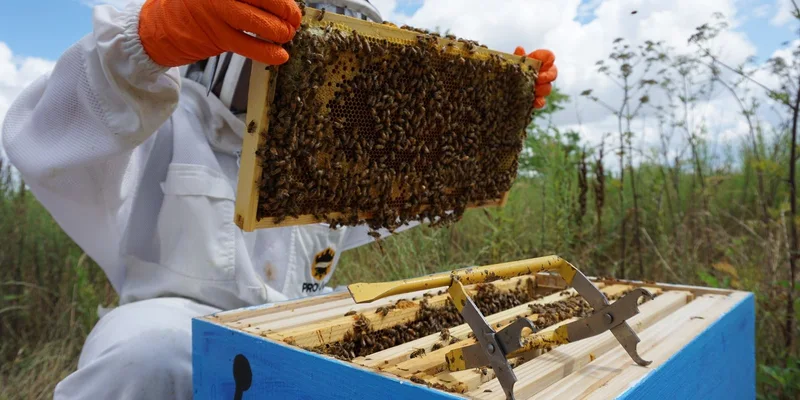
A queen excluder is a flat panel of evenly spaced wires or slots that lies across the top of the brood box. The gaps are sized so a worker can squeeze through and a queen, who is wider through the thorax, cannot. Drones cannot pass either, which is why keepers watch for drones getting stuck.
The effect is simple. Below the excluder the queen lays and the colony raises brood. Above it the bees can only store nectar and honey, so the frames you eventually pull are honey frames rather than a mix of honey, pollen and capped brood you cannot harvest.
Excluders by Situation
The Version Most Keepers End Up With
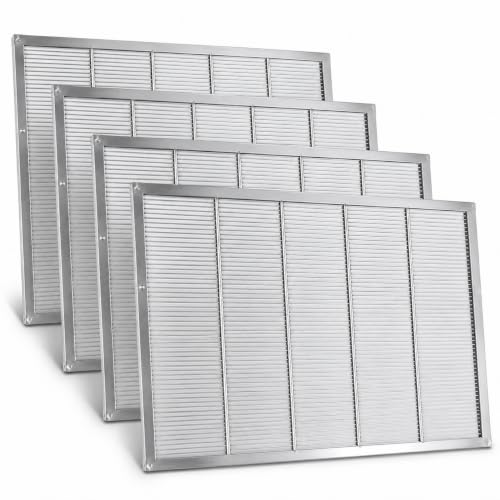
A bare metal wire excluder is a rectangle of round wires held in a metal edge. Wire runs flatter than plastic, does not warp on a hot roof, and takes a hive tool scraping without splitting. It is also the easiest to clean, since propolis comes off with a scraper or a warm day.
Keepers Who Want It to Stay Flat for Years
A wood bound version puts the same wire grid inside a wooden frame. The frame keeps the edges from bending when you pry the excluder loose, which is where bare metal excluders usually get damaged, and it holds the correct gap above the frames underneath.

The Lightest and Simplest Option
Plastic excluders are one molded sheet of slots. They are light, cheap and perfectly functional in mild conditions, and they are the version most likely to bow in summer heat or when propolis is pried off with too much enthusiasm. Check yours for flatness each season.

Eight Frame Equipment
Excluders are box specific, so an eight frame hive needs an eight frame panel. A ten frame excluder on an eight frame box overhangs, blocks the handholds and leaves gaps at the edge that let the queen straight through, which defeats the entire purpose.

The Three Builds Compared
All three do the same job when they are flat and correctly sized. The differences show up over seasons: how they survive being pried off a sticky box, whether they stay flat in August, and how quickly you can clean them before storage.
| Build | Construction | Main strength | Watch out for |
|---|---|---|---|
| Bare metal wire | Round wires in a thin metal edge | Flat, durable, good airflow, easy to scrape | Edges bend if you pry from a corner |
| Wood bound wire | Wire grid inside a wooden frame | Stays flat for years, keeps correct spacing | Bulkier and heavier to store |
| Plastic slotted | One molded sheet with slots | Light, inexpensive, will not rust | Can bow in heat, slots split if forced |
| Punched metal sheet | Perforated sheet rather than wires | Rigid and easy to handle | Less open area, can slow bees moving up |
The Real Argument: Timing, Not Yes or No
The complaint you will hear is that an excluder is a honey excluder, because bees are reluctant to cross it. That reluctance is real, and it is mostly a symptom of fitting it too early. A colony that has not filled its brood boxes has no reason to go up, and the grid gets blamed for the delay.
The practical sequence most keepers settle on is to leave the excluder off until the brood boxes are largely drawn and full of bees, add the super first without the grid, then slide the excluder in once bees are working up there. Some keepers go one step further and add a super of drawn comb above the excluder rather than bare foundation, since bees cross a grid far more willingly toward comb they can use straight away.
When to Take It Off
Take the excluder off after the harvest, before winter. A cluster moves upward through the hive as it eats through stores, and if the queen cannot follow she can be left behind below the grid while the cluster moves on. Removing it in autumn avoids that entirely.
Also pull it if the bees are simply refusing to work the super, or if you are running a Flow super and the colony is ignoring it. Store it flat and clean, since a bent excluder never sits properly again. Our harvest timing guide covers what the frames above it should look like before you pull them.
Other Jobs the Grid Does
An excluder is useful well beyond honey supers. Laid over the entrance for a day or two after installing a package or a new queen, it keeps her from absconding while the colony settles. Used in a split, it keeps the queen confined to the side you intended when you are working with a shared box.
It is also a diagnostic aid. If you know the queen is below the grid, brood appearing above it tells you something has gone wrong, usually a laying worker or a second queen. Marking the queen makes all of this easier to confirm, and our queen marking guide covers the cage, the pen and the color code.
Frequently Asked Questions
Is a queen excluder bad for the bees? No. It restricts where the queen can lay and where drones can travel, but workers pass through it freely. The genuine risks are mechanical: a bent or wrongly sized excluder, or one left on over winter while the cluster moves up.
Where does the excluder go in the stack? Directly on top of the brood boxes and underneath the first honey super. Nothing else goes between it and the frames below.
Does an excluder reduce honey yield? Bees cross it more slowly, which shows up mostly when it is fitted too early or above bare foundation. Fitted at the right moment above drawn comb, the effect is small compared to forage and colony strength.
Metal or plastic? Metal wire if you want one that stays flat and lasts. Plastic is lighter and works fine, provided you check it for bowing each season and do not pry it off aggressively.
Can drones get through? No, and that is the practical downside. Drones that end up above the grid can get stuck in it, so keepers who use one usually leave an upper entrance or check the grid during inspections.
Do you need one with a Flow super? Most Flow users fit one, because brood laid in a Flow frame is difficult to see and difficult to deal with. The Flow mechanism explainer covers why that matters.
The Bottom Line
A queen excluder is cheap insurance against brood in your harvest frames, and most of its bad reputation comes from being fitted at the wrong moment rather than from the grid itself. Buy a metal wire version sized to your boxes, fit it once the colony is strong and working upward, and pull it off before winter. Read also our frames guide for what sits above and below it, and the starter kit guide for the rest of the first season list.